AquaSage
Species library

Sunshine Peacock

Aulonocara baenschi

Cichlidae
FishDifficulty: ●●●○○Data: well-established
Sunshine Peacock — Aulonocara baenschi
📷 source not recorded

About

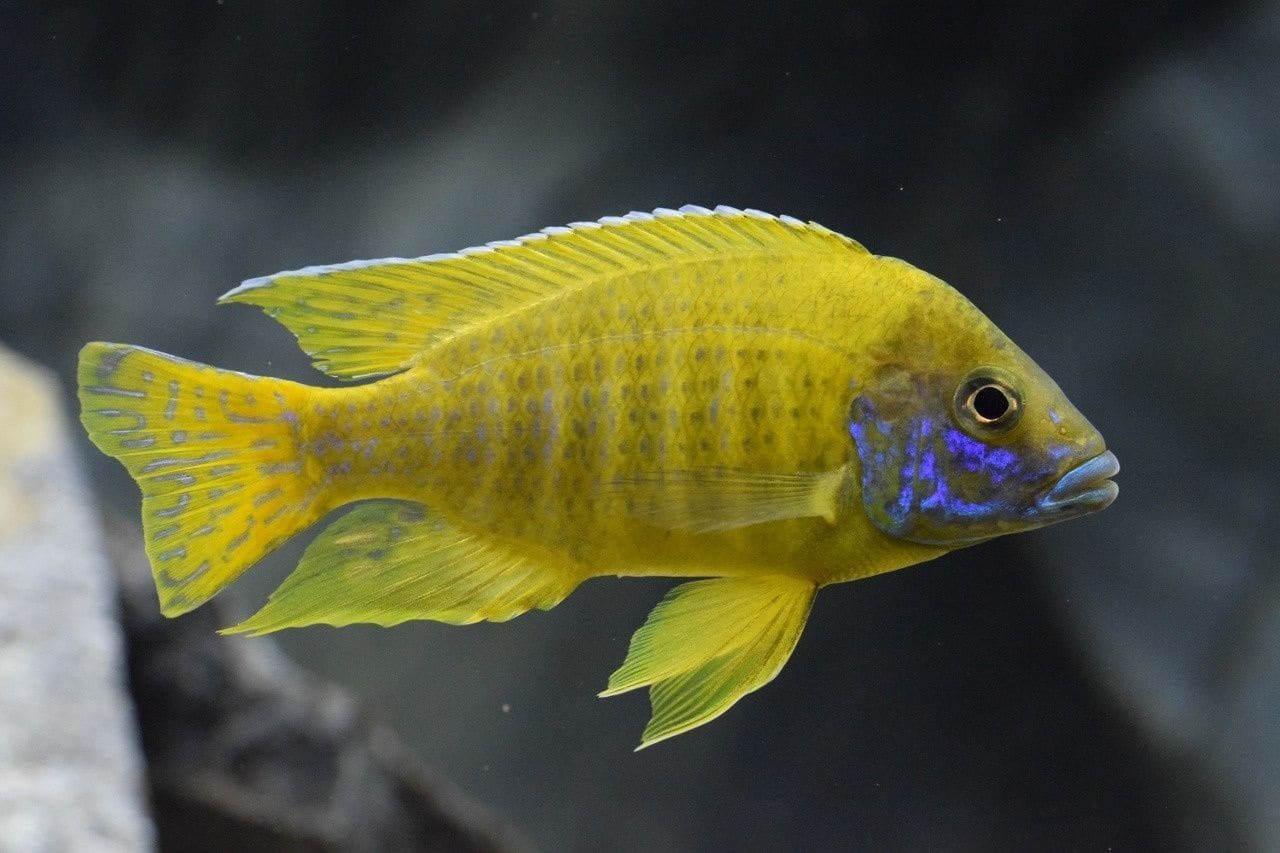
The sunshine peacock is a brilliantly coloured haplochromine cichlid endemic to Lake Malawi, found over the sand-and-rock margins around Nkhomo and the Maleri Islands. Dominant males glow in canary yellow with an electric-blue face and fins, while females stay a plain silvery grey. Milder-mannered than most mbuna, males are nonetheless firmly territorial toward rivals and their own kind, so the fish is best kept as a harem in a hard-water, sand-and-rock Malawi aquarium rather than a soft-water community.

Care

Keep in hard, alkaline water (pH 7.7-8.4, high GH/KH) at 24-26 C in a tank of 200 L or more with open sand for sifting and rockwork for cover. Best as a harem of one male to three or more females in a dedicated Malawi setup, not a soft-water community.

Diet

Carnivore that sand-sifts small invertebrates in the wild; offer cichlid pellets plus frozen brine shrimp, mysis and cyclops, and avoid protein-heavy foods that cause bloat.

Tankmate compatibility

Possible with care (210)

Acei CichlidAfrican Butterfly CichlidAfrican ButterflyfishAgassiz's CoryAmano ShrimpAngelfishAssassin SnailAuratus CichlidBamboo ShrimpBanjo CatfishBetta (Siamese Fighting Fish)Black Neon TetraBlack Phantom TetraBlack Ruby BarbBlack Skirt TetraBlackline RasboraBladder SnailBleeding Heart TetraBlood Parrot CichlidBloodfin TetraBlue AcaraBlue Dolphin CichlidBlue Velvet ShrimpBoesemani RainbowfishBolivian RamBorleyi (Redfin Hap)Borneo SuckerBrevis Shell DwellerBrichard's TeleogrammaBrichardi (Fairy Cichlid)Bristlenose PlecoBronze CorydorasBuenos Aires TetraBuffalohead CichlidBumblebee CichlidBumblebee GobyButterfly Hillstream LoachCalvus CichlidCelebes RainbowfishCelestial Pearl DanioCheckered BarbCherry BarbCherry ShrimpChinese Algae EaterChocolate CichlidClown PlecoCobalt Blue ZebraCockatoo Dwarf CichlidColombian Ramshorn SnailCompressiceps CichlidCongo TetraConvict CichlidCuckoo CatfishCylindricus CichlidCyprichromisDemasoni CichlidDenison BarbDoctor FishDogtooth CichlidDojo (Weather) LoachDuboisi TropheusDwarf Chain LoachDwarf Flag CichlidDwarf GouramiDwarf Neon RainbowfishDwarf Orange CrayfishDwarf Pea PufferDwarf Petricola CatfishElectric Blue AhliElectric Yellow LabElephantnose FishEllioti CichlidElongate MbunaEmerald CoryEmperor TetraEndler's LivebearerEven-spotted SynodontisFeatherfin SqueakerFestivum (Flag Cichlid)Figure-8 PufferFiremouth CichlidFive-bar CichlidFlame TetraForktail RainbowfishFreshwater ClamGhost ShrimpGlass CatfishGlowlight DanioGlowlight TetraGoby CichlidGold BarbGolden Dwarf CichlidGolden JulieGolden PencilfishGolden TetraGolden Wonder KillifishGreen TerrorGuppyHarlequin RasboraHead-and-Tail-Light TetraHoney GouramiHongi CichlidJack DempseyJapanese Trapdoor SnailJewel CichlidJohanni CichlidJulii CoryKenyi CichlidKeyhole CichlidKissing GouramiKribensisLambchop RasboraLeast KillifishLemon CichlidLemon TetraLeopard DanioLittle CorydorasLivingstoniMaingano CichlidMalawi EyebiterMalaysian Trumpet SnailMarlieri CichlidMasked JulieMedaka RicefishMollyMoonlight GouramiMultifasciatus Shell DwellerMystery SnailNerite SnailOcellatus Shell DwellerOdessa BarbOtocinclusPanda CorydorasParadise FishParaguay EartheaterPeacock CichlidPearl DanioPearl GouramiPenguin TetraPeppered CorydorasPictus CatfishPlatyPolka Dot LoachPort CichlidPowder Blue CichlidPurple Emperor TetraPygmy CorydorasRabbit SnailRainbow CichlidRainbow SharkRamshorn SnailRed DevilRed EmpressRed RainbowfishRed Whiptail CatfishRed Zebra CichlidRed-Tail SharkRedhead CichlidRegan's JulieReticulated Hillstream LoachRosy BarbRosy TetraRubber Lip PlecoRummynose TetraRusty CichlidSailfin MollySalt and Pepper CorySalvini CichlidSand-sifting XenotilapiaSaulosi CichlidScarlet BadisScissortail RasboraSerpae TetraSeverumSiamese Algae EaterSilver Tip TetraSimilis Shell DwellerSkunk CorySparkling GouramiSpotted HoploStar SapphireSterbai CorydorasStriped KribensisStriped Raphael CatfishSulawesi Cardinal ShrimpSveni EartheaterSwordtailT-Bar CichlidTaiwan Reef CichlidTexas CichlidThai Micro CrabThick-lipped GouramiThreadfin AcaraThreadfin PetrochromisThreadfin RainbowfishThree-spot GouramiTiger BarbTropheusTurquoise RainbowfishUmbrella Dwarf CichlidUpside-down CatfishVampire ShrimpVenezuelan CoryVenustus (Giraffe Cichlid)White Cloud Mountain MinnowWrestling HalfbeakX-ray TetraYoyo LoachZebra DanioZebra Mbuna

Avoid (61)

Computed by the AquaSage engine for a spacious reference tank — always check the full verdict for your exact setup in the calculator.

Telling males from females

What works for this species, most reliable first.

  • VentingStrong · only on a mature fish, easiest when she is in breeding condition

    The method breeders use when the answer has to be right. Hold the fish upside down in a wet hand or soft net and look at the two openings ahead of the anal fin. The forward one is the anus; the one behind it is what you are reading.

  • Egg spotsA hint only · from about 6 months

    The yellow or orange ocelli on the anal fin of Malawi cichlids, traditionally explained as a lure that draws the female into mouthing them, fertilising the eggs she is already holding.

All the methods, with diagrams

Also in these lists

Frequently asked questions

What tank size does a Sunshine Peacock need?
A Sunshine Peacock needs an aquarium of at least 200 litres (52.8 US gallons) with a footprint at least 120 cm (47.2 in) long — for this species, swimming length matters as much as raw volume.
What water parameters does a Sunshine Peacock need?
Sunshine Peacock does best at 22–28 °C (71.6–82.4 °F), pH 7.2–8.6 and a general hardness of 10–25 °dGH.
What group size does a Sunshine Peacock need?
Sunshine Peacock is a social species — keep a group of at least 4 so natural behaviour emerges and stress stays low.
Is the Sunshine Peacock suitable for beginners?
Sunshine Peacock sits in the middle of the difficulty scale — manageable for a careful beginner who has done the reading, but it has specific needs worth researching first.

Sources

Water & tank

Temperature22–28°C
Optimal temp.24–26°C
pH7.2–8.6
Hardness (GH)10–25°d
Carbonate (KH)6–18°d
Adult size13 cm
Min. volume≥ 200 L
Min. tank length≥ 120 cm
Group size≥ 4
Swimming zoneAll levels
TemperamentSemi-aggressive
Water typeFreshwater
FlowModerate
Lifespan~8 yrs
Try in the calculator