AquaSage
Species library

Freshwater Clam

Corbicula fluminea

Cyrenidae
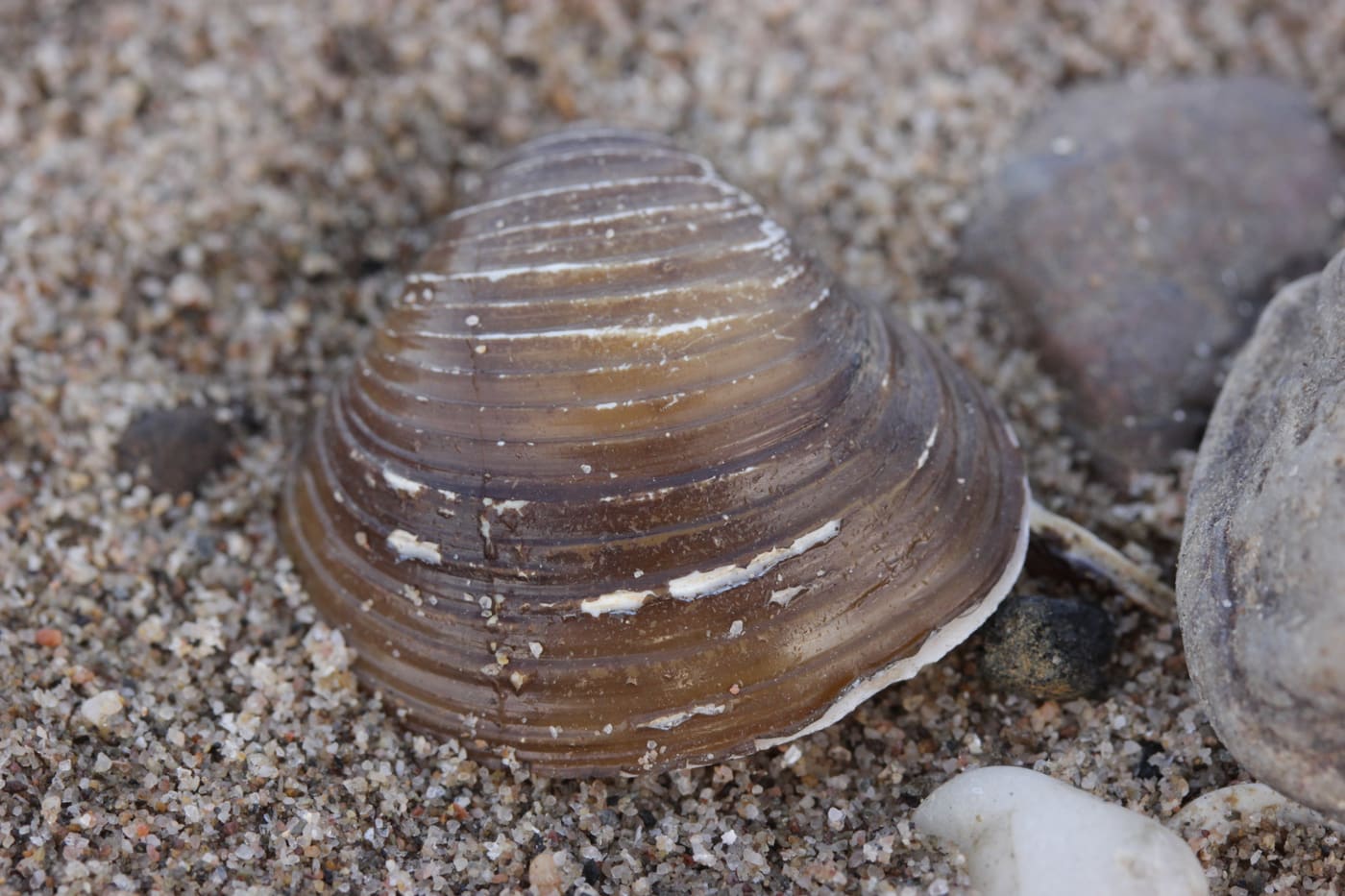
InvertsDifficulty: ●●●●Data: verified
Freshwater Clam — Corbicula fluminea
📷 Björn S. · CC BY-SA 2.0 · resized · Wikimedia Commons

About

The freshwater clam, usually sold as the Asian gold clam, is a small burrowing bivalve that filters plankton and fine particles straight out of the water column, acting as a living water clarifier that can clear green water. It sits half-buried in sand, extending short siphons to feed and breathe, and is completely peaceful and harmless to tankmates. Its beauty comes with a catch: most aquariums simply do not hold enough suspended food, so it is best reserved for mature, well-fed or lightly green tanks where its filtering habit can be sustained.

Care

Provide a mature tank with a deep sand bed for burrowing and steady flow past the clam. Success hinges on enough suspended food (green water or dosed phytoplankton) or it slowly starves; watch closely, as an unnoticed death fouls the water. Highly sensitive to copper.

Diet

Filter feeder straining phytoplankton, bacteria and suspended detritus from the water. In sparse tanks it must be supplemented with liquid phytoplankton, powdered spirulina or cultured green water to avoid slow starvation.

Tankmate compatibility

Gets along with (46)

Possible with care (169)

Acei CichlidAfrican Butterfly CichlidAgassiz's Dwarf CichlidAuratus CichlidBamboo ShrimpBanjo CatfishBetta (Siamese Fighting Fish)Black Moor GoldfishBlack Neon TetraBlack Phantom TetraBlack Ruby BarbBlack Skirt TetraBlackline RasboraBleeding Heart TetraBlood Parrot CichlidBlue AcaraBlue Dolphin CichlidBlue Tiger ShrimpBoesemani RainbowfishBorleyi (Redfin Hap)Borneo SuckerBrevis Shell DwellerBrichard's TeleogrammaBrichardi (Fairy Cichlid)Bronze CorydorasBuenos Aires TetraBuffalohead CichlidBumblebee CichlidBumblebee GobyCelebes RainbowfishCheckerboard CichlidCheckered BarbCherry BarbChocolate CichlidClown KillifishClown PlecoCobalt Blue ZebraCockatoo Dwarf CichlidColombian Ramshorn SnailComet GoldfishCommon GoldfishCongo Dwarf CichlidCongo TetraConvict CichlidCylindricus CichlidCyprichromisDemasoni CichlidDiamond TetraDiscusDogtooth CichlidDojo (Weather) LoachDwarf Chain LoachDwarf Flag CichlidDwarf GouramiDwarf Pea PufferDwarf Petricola CatfishElectric Yellow LabElephantnose FishEllioti CichlidElongate MbunaEmber TetraEmperor TetraEndler's LivebearerEven-spotted SynodontisFantail GoldfishFestivum (Flag Cichlid)Firemouth CichlidFive-bar CichlidFlame TetraForktail RainbowfishGerman Blue RamGlass CatfishGlowlight TetraGolden Dwarf CichlidGolden JulieGolden PencilfishGolden TetraGreen DiscusHarlequin RasboraHead-and-Tail-Light TetraHoney GouramiHongi CichlidJohanni CichlidJulii CoryKenyi CichlidKeyhole CichlidKissing GouramiKribensisKuhli LoachLambchop RasboraLemon CichlidLemon TetraLittle CorydorasMacmasteri Dwarf CichlidMaingano CichlidMarble HatchetfishMarlieri CichlidMasked JulieMedaka RicefishMollyMoonlight GouramiMultifasciatus Shell DwellerNeon TetraOcellatus Shell DwellerOranda GoldfishOtocinclusPanda CorydorasParadise FishParaguay EartheaterPeaceful BettaPeacock CichlidPearl GouramiPeppered CorydorasPolka Dot LoachPort CichlidPowder Blue CichlidPurple Emperor TetraPygmy CorydorasRabbit SnailRainbow CichlidRanchu GoldfishRed EmpressRed RainbowfishRed Whiptail CatfishRed Zebra CichlidRedhead CichlidRegan's JulieRosy Red MinnowRosy TetraRummynose TetraRusty CichlidRyukin GoldfishSailfin MollySalt and Pepper CorySand-sifting XenotilapiaSaulosi CichlidSerpae TetraSeverumShubunkin GoldfishSilver Tip TetraSimilis Shell DwellerSkunk CorySparkling GouramiSpotted HoploStar SapphireSterbai CorydorasStrawberry RasboraStriped KribensisSulawesi Cardinal ShrimpSunshine PeacockSveni EartheaterSwordtailT-Bar CichlidTaiwan Reef CichlidTelescope GoldfishThick-lipped GouramiThreadfin AcaraThreadfin PetrochromisThreadfin RainbowfishThree-spot GouramiTurquoise RainbowfishUaru (Triangle Cichlid)Umbrella Dwarf CichlidVampire ShrimpWhite Cloud Mountain MinnowWrestling HalfbeakYoyo LoachZebra MbunaZebra Pleco

Avoid (56)

Computed by the AquaSage engine for a spacious reference tank — always check the full verdict for your exact setup in the calculator.

Telling males from females

There is no reliable way to sex this species by eye. That is the honest answer, not a gap in our data.

All the methods, with diagrams

Also in these lists

Frequently asked questions

What tank size does a Freshwater Clam need?
A Freshwater Clam needs an aquarium of at least 40 litres (10.6 US gallons) with a footprint at least 45 cm (17.7 in) long — for this species, swimming length matters as much as raw volume.
What water parameters does a Freshwater Clam need?
Freshwater Clam does best at 18–28 °C (64.4–82.4 °F), pH 6.5–8 and a general hardness of 6–18 °dGH.
Is the Freshwater Clam suitable for beginners?
Freshwater Clam is a demanding species best attempted with some experience — it needs stable, closely watched conditions to thrive.

Sources

Water & tank

Temperature18–28°C
Optimal temp.20–25°C
pH6.5–8
Hardness (GH)6–18°d
Carbonate (KH)4–12°d
Adult size4 cm
Min. volume≥ 40 L
Min. tank length≥ 45 cm
Swimming zoneBottom
TemperamentPeaceful
Water typeFreshwater
FlowModerate
Lifespan~2 yrs
Try in the calculator