AquaSage
Species library

Frontosa

Cyphotilapia frontosa

Cichlidae
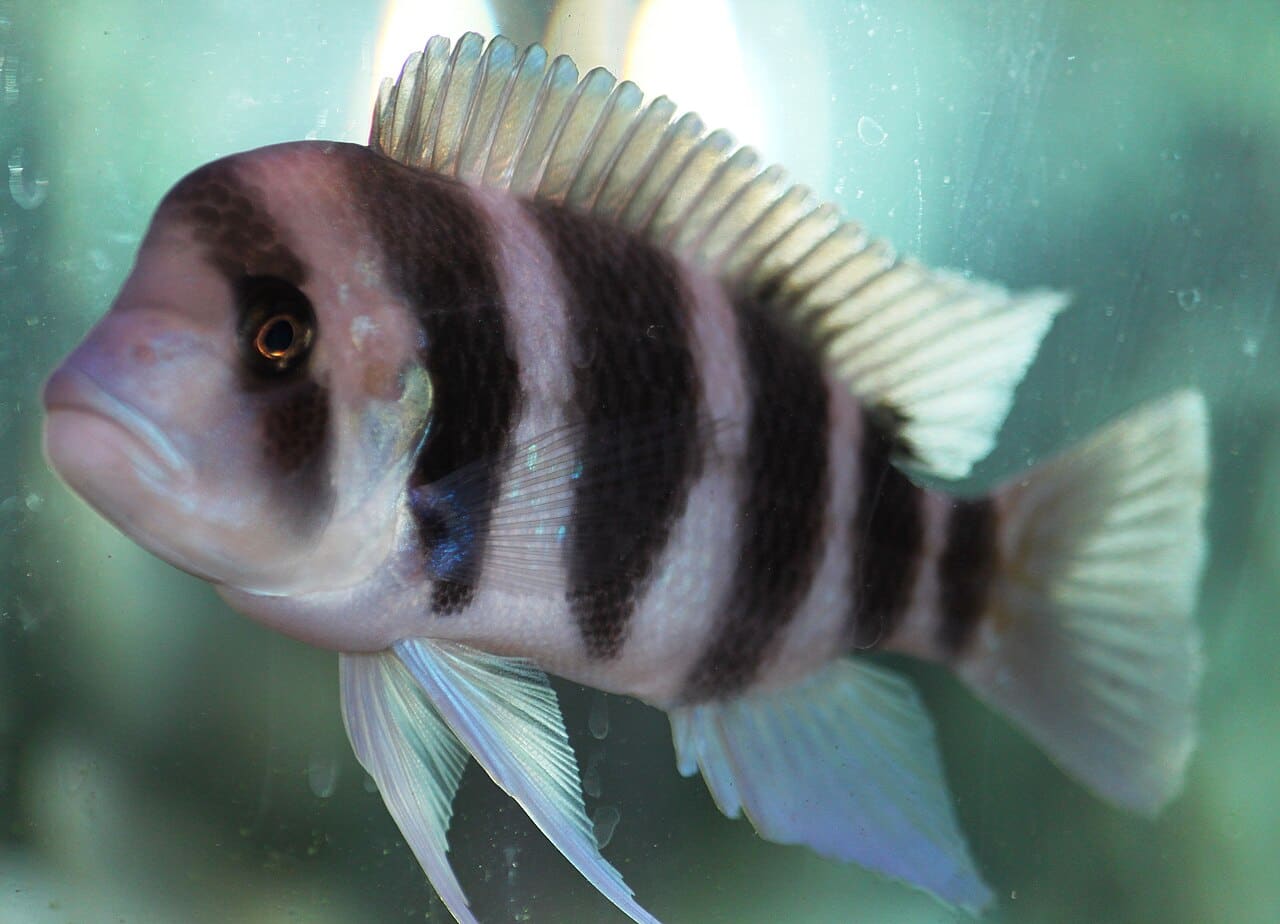
FishDifficulty: ●●●●Data: well-established
Frontosa — Cyphotilapia frontosa
📷 Maha Dinesh · CC BY-SA 3.0 · resized · Wikimedia Commons

About

The frontosa is a stately, slow-growing giant cichlid endemic to the deep rocky drop-offs of Lake Tanganyika, where it hovers in loose colonies over sand and boulders. Adults develop a pronounced nuchal hump on the forehead and carry striking vertical bars of blue-white and black. Calm and almost regal in the water, it is nonetheless a night-hunting predator that will pick off any tankmate small enough to fit in its mouth. Long-lived and undemanding once its needs are met, it rewards patience with decades of presence but requires a very large, deep aquarium and rock-solid hard, alkaline water.

Care

Keep a colony of one male with several females in a big, deep tank of 450 L or more (180 cm length ideal) with sand, heavy rockwork and hard, alkaline water at pH 8.2-8.6. Slow, peaceful and long-lived, but a predator: never mix with fish small enough to be eaten.

Diet

Carnivorous ambush hunter of fish, snails and crustaceans. Feed carnivore pellets plus frozen mysis, krill and shellfish; avoid rich mammalian meats to reduce bloat risk.

Tankmate compatibility

Avoid (271)

Acei CichlidAdonis PlecoAfrican Butterfly CichlidAfrican ButterflyfishAgassiz's CoryAgassiz's Dwarf CichlidAltum AngelfishAmano ShrimpAngelfishAssassin SnailAuratus CichlidBala SharkBamboo ShrimpBanjo CatfishBetta (Siamese Fighting Fish)Black Moor GoldfishBlack Neon TetraBlack Phantom TetraBlack Ruby BarbBlack Skirt TetraBlackline RasboraBladder SnailBleeding Heart TetraBlood Parrot CichlidBloodfin TetraBlue AcaraBlue Dolphin CichlidBlue Tiger ShrimpBlue Velvet ShrimpBoesemani RainbowfishBolivian RamBorleyi (Redfin Hap)Borneo SuckerBrevis Shell DwellerBrichard's TeleogrammaBrichardi (Fairy Cichlid)Bristlenose PlecoBronze CorydorasBuenos Aires TetraBuffalohead CichlidBumblebee CichlidBumblebee GobyButterfly Hillstream LoachCalvus CichlidCardinal TetraCelebes RainbowfishCelestial Pearl DanioCheckerboard CichlidCheckered BarbCherry BarbCherry ShrimpChili RasboraChinese Algae EaterChocolate CichlidChocolate GouramiClown KillifishClown LoachClown PlecoCobalt Blue ZebraCochu's Blue TetraCockatoo Dwarf CichlidColombian Ramshorn SnailComet GoldfishCommon GoldfishCommon PlecoCompressiceps CichlidCongo Dwarf CichlidCongo TetraConvict CichlidCrystal Red ShrimpCuckoo CatfishCylindricus CichlidCyprichromisDemasoni CichlidDemon EartheaterDenison BarbDiamond TetraDiscusDoctor FishDogtooth CichlidDojo (Weather) LoachDuboisi TropheusDwarf Chain LoachDwarf Flag CichlidDwarf GouramiDwarf Neon RainbowfishDwarf Orange CrayfishDwarf Pea PufferDwarf Petricola CatfishDwarf RasboraElectric Blue AhliElectric Yellow LabElephantnose FishEllioti CichlidElongate MbunaEmber TetraEmerald CoryEmperor TetraEndler's LivebearerEndlicheri BichirEven-spotted SynodontisFantail GoldfishFeatherfin SqueakerFestivum (Flag Cichlid)Figure-8 PufferFiremouth CichlidFive-bar CichlidFlame TetraForktail RainbowfishFreshwater ClamGerman Blue RamGhost ShrimpGlass CatfishGlowlight DanioGlowlight TetraGoby CichlidGold BarbGolden Dwarf CichlidGolden JulieGolden PencilfishGolden TetraGolden Wonder KillifishGreen DiscusGreen Neon TetraGreen Spotted PufferfishGreen TerrorGuppyHarlequin RasboraHead-and-Tail-Light TetraHeckel DiscusHoney GouramiHongi CichlidIridescent SharkJack DempseyJaguar CichlidJapanese Trapdoor SnailJewel CichlidJohanni CichlidJulii CoryKenyi CichlidKeyhole CichlidKissing GouramiKoiKribensisKuhli LoachLambchop RasboraLeast KillifishLemon CichlidLemon TetraLeopard DanioLittle CorydorasLivingstoniMacmasteri Dwarf CichlidMaingano CichlidMalawi EyebiterMalawi HawkMalaysian Trumpet SnailMarble HatchetfishMarlieri CichlidMasked JulieMedaka RicefishMollyMoonlight GouramiMultifasciatus Shell DwellerMystery SnailNeon TetraNerite SnailOcellatus Shell DwellerOdessa BarbOranda GoldfishOrnate BichirOscarOtocinclusPanda CorydorasParadise FishParaguay EartheaterPeaceful BettaPeacock BassPeacock CichlidPearl DanioPearl GouramiPenguin TetraPeppered CorydorasPictus CatfishPike CichlidPlatyPolka Dot LoachPort CichlidPowder Blue CichlidPurple Emperor TetraPygmy CorydorasRabbit SnailRainbow CichlidRainbow SharkRamshorn SnailRanchu GoldfishRed DevilRed EmpressRed RainbowfishRed TerrorRed Whiptail CatfishRed Zebra CichlidRed-Tail SharkRedhead CichlidRegan's JulieReticulated Flying FoxReticulated Hillstream LoachRostratusRosy BarbRosy Red MinnowRosy TetraRoyal PlecoRubber Lip PlecoRummynose TetraRusty CichlidRyukin GoldfishSailfin MollySailfin PlecoSalt and Pepper CorySalvini CichlidSand-sifting XenotilapiaSaulosi CichlidScarlet BadisScissortail RasboraSerpae TetraSeverumShubunkin GoldfishSiamese Algae EaterSilver ArowanaSilver MoonySilver Tip TetraSimilis Shell DwellerSkunk CorySparkling GouramiSpotted HoploStar SapphireSterbai CorydorasStrawberry RasboraStriped KribensisStriped Raphael CatfishSulawesi Cardinal ShrimpSunshine PeacockSveni EartheaterSwordtailT-Bar CichlidTaiwan Reef CichlidTelescope GoldfishTexas CichlidThai Micro CrabThick-lipped GouramiThreadfin AcaraThreadfin PetrochromisThreadfin RainbowfishThree-spot GouramiTiger BarbTropheusTurquoise RainbowfishUaru (Triangle Cichlid)Umbrella Dwarf CichlidUpside-down CatfishVampire ShrimpVenezuelan CoryVenustus (Giraffe Cichlid)White Cloud Mountain MinnowWolf CichlidWrestling HalfbeakX-ray TetraYoyo LoachZebra DanioZebra MbunaZebra Pleco

Computed by the AquaSage engine for a spacious reference tank — always check the full verdict for your exact setup in the calculator.

Telling males from females

What works for this species, most reliable first.

  • Extended finsStrong · from about 8 months, and later in a suppressed male

    On many cichlids and killifish the male's dorsal and anal fins draw out into trailing points as he matures, while the female's stay rounded.

  • VentingA hint only · only on a mature fish, easiest when she is in breeding condition

    The method breeders use when the answer has to be right. Hold the fish upside down in a wet hand or soft net and look at the two openings ahead of the anal fin. The forward one is the anus; the one behind it is what you are reading.

  • Adult sizeA hint only · only across animals of the same age

    In many cichlids, catfish and loaches one sex simply grows larger — usually the male, though there are well-known reversals.

All the methods, with diagrams

Also in these lists

Frequently asked questions

What tank size does a Frontosa need?
A Frontosa needs an aquarium of at least 450 litres (118.9 US gallons) with a footprint at least 180 cm (70.9 in) long — for this species, swimming length matters as much as raw volume.
What water parameters does a Frontosa need?
Frontosa does best at 23–27 °C (73.4–80.6 °F), pH 7.8–9 and a general hardness of 10–25 °dGH.
What group size does a Frontosa need?
Frontosa is a social species — keep a group of at least 5 so natural behaviour emerges and stress stays low.
Is the Frontosa suitable for beginners?
Frontosa is a demanding species best attempted with some experience — it needs stable, closely watched conditions to thrive.

Sources

Water & tank

Temperature23–27°C
Optimal temp.24–26°C
pH7.8–9
Hardness (GH)10–25°d
Carbonate (KH)8–18°d
Adult size33 cm
Min. volume≥ 450 L
Min. tank length≥ 180 cm
Group size≥ 5
Swimming zoneBottom
TemperamentPeaceful
Water typeFreshwater
FlowModerate
Lifespan~20 yrs
Try in the calculator