AquaSage
Species library

Cobalt Blue Zebra

Metriaclima callainos

Cichlidae
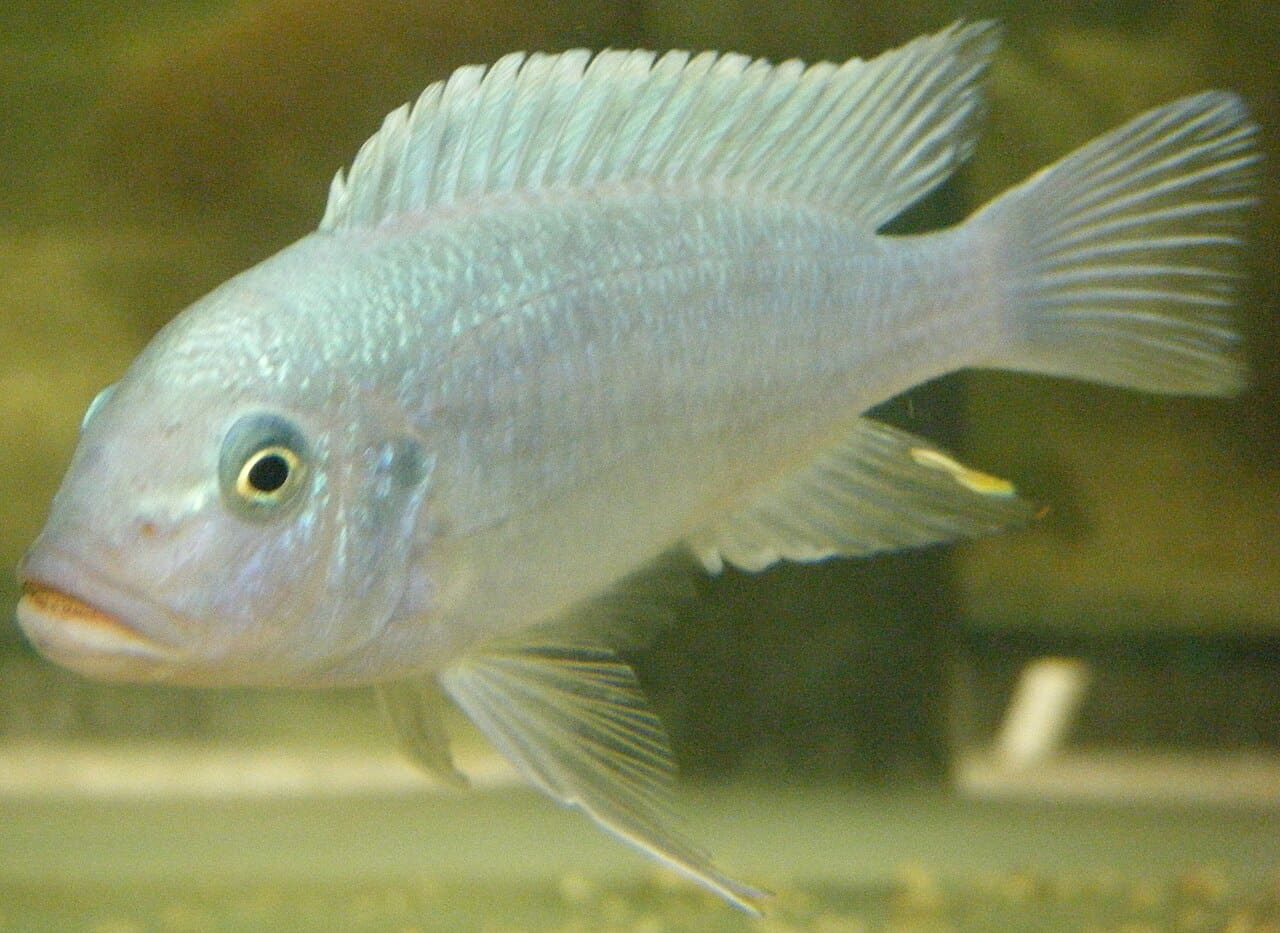
FishDifficulty: ●●●○○Data: well-established
Cobalt Blue Zebra — Metriaclima callainos
📷 Alexandra Tyers · CC BY-SA 2.0 · resized · Wikimedia Commons

About

The cobalt blue zebra is a striking mbuna from the rocky shores of Lake Malawi, prized for the brilliant, near-solid metallic blue that both sexes carry into adulthood. Reaching around 13 cm, it is a bold, active grazer that scrapes aufwuchs from sunlit boulders but is also pugnacious and territorial, so it needs a spacious tank of hard, alkaline Rift Lake water broken up by heavy rockwork.

Care

Keep in hard, alkaline water (pH 7.8-8.5) over sand with abundant rockwork in a tank of 200 L or more. Best as a harem of one male with several females; aggressive and territorial, so choose sturdy Malawi mbuna tankmates and avoid peaceful community fish.

Diet

Herbivorous aufwuchs grazer; feed spirulina- and vegetable-based foods with blanched greens. Strictly limit protein-rich foods to prevent Malawi bloat.

Tankmate compatibility

Possible with care (153)

Acei CichlidAgassiz's CoryAmano ShrimpAssassin SnailAuratus CichlidBamboo ShrimpBanjo CatfishBetta (Siamese Fighting Fish)Bladder SnailBlood Parrot CichlidBloodfin TetraBlue AcaraBlue Dolphin CichlidBlue Velvet ShrimpBoesemani RainbowfishBolivian RamBorleyi (Redfin Hap)Brevis Shell DwellerBrichard's TeleogrammaBrichardi (Fairy Cichlid)Bristlenose PlecoBronze CorydorasBuenos Aires TetraBuffalohead CichlidBumblebee CichlidBumblebee GobyCalvus CichlidCelebes RainbowfishCherry ShrimpChinese Algae EaterClown PlecoColombian Ramshorn SnailCompressiceps CichlidConvict CichlidCuckoo CatfishCylindricus CichlidCyprichromisDemasoni CichlidDenison BarbDoctor FishDogtooth CichlidDojo (Weather) LoachDuboisi TropheusDwarf Chain LoachDwarf Neon RainbowfishDwarf Orange CrayfishDwarf Pea PufferDwarf Petricola CatfishElectric Blue AhliElectric Yellow LabEllioti CichlidElongate MbunaEmerald CoryEndler's LivebearerEven-spotted SynodontisFestivum (Flag Cichlid)Figure-8 PufferFiremouth CichlidFive-bar CichlidFlame TetraForktail RainbowfishFreshwater ClamGhost ShrimpGlowlight DanioGoby CichlidGold BarbGolden Dwarf CichlidGolden JulieGolden PencilfishGolden Wonder KillifishGreen TerrorGuppyHongi CichlidJack DempseyJapanese Trapdoor SnailJewel CichlidJohanni CichlidKenyi CichlidKissing GouramiLeast KillifishLemon CichlidLeopard DanioLivingstoniMaingano CichlidMalawi EyebiterMalaysian Trumpet SnailMarlieri CichlidMasked JulieMedaka RicefishMollyMultifasciatus Shell DwellerMystery SnailNerite SnailOcellatus Shell DwellerOdessa BarbParadise FishParaguay EartheaterPeacock CichlidPearl DanioPenguin TetraPeppered CorydorasPictus CatfishPlatyPort CichlidPowder Blue CichlidRabbit SnailRainbow CichlidRainbow SharkRamshorn SnailRed DevilRed EmpressRed RainbowfishRed Zebra CichlidRed-Tail SharkRedhead CichlidRegan's JulieRubber Lip PlecoRusty CichlidSailfin MollySalt and Pepper CorySalvini CichlidSand-sifting XenotilapiaSaulosi CichlidScarlet BadisScissortail RasboraSiamese Algae EaterSilver Tip TetraSimilis Shell DwellerSpotted HoploStar SapphireSulawesi Cardinal ShrimpSunshine PeacockSwordtailT-Bar CichlidTaiwan Reef CichlidTexas CichlidThreadfin AcaraThreadfin PetrochromisThreadfin RainbowfishThree-spot GouramiTiger BarbTropheusTurquoise RainbowfishUmbrella Dwarf CichlidUpside-down CatfishVampire ShrimpVenezuelan CoryVenustus (Giraffe Cichlid)Wrestling HalfbeakX-ray TetraYoyo LoachZebra DanioZebra Mbuna

Avoid (118)

Adonis PlecoAfrican Butterfly CichlidAfrican ButterflyfishAgassiz's Dwarf CichlidAltum AngelfishAngelfishBala SharkBlack Moor GoldfishBlack Neon TetraBlack Phantom TetraBlack Ruby BarbBlack Skirt TetraBlackline RasboraBleeding Heart TetraBlue Tiger ShrimpBorneo SuckerButterfly Hillstream LoachCardinal TetraCelestial Pearl DanioCheckerboard CichlidCheckered BarbCherry BarbChili RasboraChocolate CichlidChocolate GouramiClown KillifishClown LoachCochu's Blue TetraCockatoo Dwarf CichlidComet GoldfishCommon GoldfishCommon PlecoCongo Dwarf CichlidCongo TetraCrystal Red ShrimpDemon EartheaterDiamond TetraDiscusDwarf Flag CichlidDwarf GouramiDwarf RasboraElephantnose FishEmber TetraEmperor TetraEndlicheri BichirFantail GoldfishFeatherfin SqueakerFrontosaGerman Blue RamGlass CatfishGlowlight TetraGolden TetraGreen DiscusGreen Neon TetraGreen Spotted PufferfishHarlequin RasboraHead-and-Tail-Light TetraHeckel DiscusHoney GouramiIridescent SharkJaguar CichlidJulii CoryKeyhole CichlidKoiKribensisKuhli LoachLambchop RasboraLemon TetraLittle CorydorasMacmasteri Dwarf CichlidMalawi HawkMarble HatchetfishMoonlight GouramiNeon TetraOranda GoldfishOrnate BichirOscarOtocinclusPanda CorydorasPeaceful BettaPeacock BassPearl GouramiPike CichlidPolka Dot LoachPurple Emperor TetraPygmy CorydorasRanchu GoldfishRed TerrorRed Whiptail CatfishReticulated Flying FoxReticulated Hillstream LoachRostratusRosy BarbRosy Red MinnowRosy TetraRoyal PlecoRummynose TetraRyukin GoldfishSailfin PlecoSerpae TetraSeverumShubunkin GoldfishSilver ArowanaSilver MoonySkunk CorySparkling GouramiSterbai CorydorasStrawberry RasboraStriped KribensisStriped Raphael CatfishSveni EartheaterTelescope GoldfishThai Micro CrabThick-lipped GouramiUaru (Triangle Cichlid)White Cloud Mountain MinnowWolf CichlidZebra Pleco

Computed by the AquaSage engine for a spacious reference tank — always check the full verdict for your exact setup in the calculator.

Telling males from females

What works for this species, most reliable first.

  • VentingStrong · only on a mature fish, easiest when she is in breeding condition

    The method breeders use when the answer has to be right. Hold the fish upside down in a wet hand or soft net and look at the two openings ahead of the anal fin. The forward one is the anus; the one behind it is what you are reading.

  • Egg spotsA hint only · from about 6 months

    The yellow or orange ocelli on the anal fin of Malawi cichlids, traditionally explained as a lure that draws the female into mouthing them, fertilising the eggs she is already holding.

  • Adult sizeA hint only · only across animals of the same age

    In many cichlids, catfish and loaches one sex simply grows larger — usually the male, though there are well-known reversals.

All the methods, with diagrams

Also in these lists

Frequently asked questions

What tank size does a Cobalt Blue Zebra need?
A Cobalt Blue Zebra needs an aquarium of at least 200 litres (52.8 US gallons) with a footprint at least 120 cm (47.2 in) long — for this species, swimming length matters as much as raw volume.
What water parameters does a Cobalt Blue Zebra need?
Cobalt Blue Zebra does best at 24–28 °C (75.2–82.4 °F), pH 7.6–8.8 and a general hardness of 8–25 °dGH.
What group size does a Cobalt Blue Zebra need?
Cobalt Blue Zebra is a social species — keep a group of at least 4 so natural behaviour emerges and stress stays low.
Is the Cobalt Blue Zebra suitable for beginners?
Cobalt Blue Zebra sits in the middle of the difficulty scale — manageable for a careful beginner who has done the reading, but it has specific needs worth researching first.

Sources

Water & tank

Temperature24–28°C
Optimal temp.25–27°C
pH7.6–8.8
Hardness (GH)8–25°d
Carbonate (KH)6–18°d
Adult size13 cm
Min. volume≥ 200 L
Min. tank length≥ 120 cm
Group size≥ 4
Swimming zoneAll levels
TemperamentAggressive
Water typeFreshwater
FlowModerate
Lifespan~8 yrs
Try in the calculator