AquaSage
Species library

Oranda Goldfish

Carassius auratus

Cyprinidae
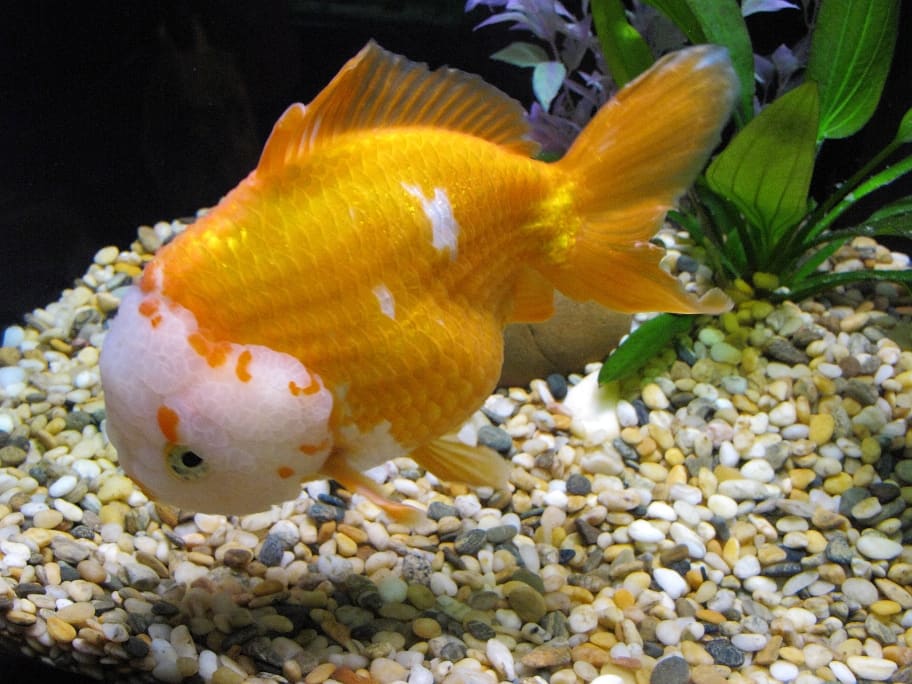
FishDifficulty: ●●●●Data: well-established
Oranda Goldfish — Carassius auratus
📷 Lawrencekhoo · CC BY-SA 4.0 · resized · Wikimedia Commons

About

The oranda is an egg-bodied fancy goldfish crowned by a wen: a raspberry-like hood of tissue that covers the whole head except the eyes and mouth and takes one to two years to fill in. Adults reach 20-31 cm including the tail and record fish have passed 37 cm, so this is a large animal routinely sold as a tiny one. The shortened, deep body crowds the internal organs, so orandas swim slowly and are prone to swim bladder and buoyancy trouble, while the porous hood invites bacterial infection the moment water quality slips. An overgrown wen can cover the eyes outright, leaving the fish half blind and unable to compete for food.

Care

Give one oranda at least 150 L on a 110 cm footprint - six times its 18 cm typical length, per PFK's rule - and around 200 L for a pair, keep it unheated at 16–21 °C with gentle flow, and feed pre-soaked sinking food. Never house it with fast single-tailed goldfish, which clear the food before it finds any.

Diet

Omnivore that forages continuously through the substrate; sinking pellets or gel food plus blanched vegetables and frozen daphnia, with dry food soaked first to prevent bloating.

Tankmate compatibility

Possible with care (38)

Avoid (233)

Acei CichlidAdonis PlecoAfrican Butterfly CichlidAfrican ButterflyfishAgassiz's CoryAgassiz's Dwarf CichlidAltum AngelfishAngelfishAssassin SnailAuratus CichlidBala SharkBamboo ShrimpBanjo CatfishBetta (Siamese Fighting Fish)Black Neon TetraBlack Phantom TetraBlack Ruby BarbBlack Skirt TetraBlackline RasboraBladder SnailBleeding Heart TetraBlood Parrot CichlidBloodfin TetraBlue AcaraBlue Dolphin CichlidBlue Velvet ShrimpBoesemani RainbowfishBolivian RamBorleyi (Redfin Hap)Brevis Shell DwellerBrichard's TeleogrammaBrichardi (Fairy Cichlid)Bristlenose PlecoBronze CorydorasBuenos Aires TetraBuffalohead CichlidBumblebee CichlidBumblebee GobyCalvus CichlidCardinal TetraCelebes RainbowfishCelestial Pearl DanioCheckerboard CichlidCherry BarbCherry ShrimpChili RasboraChinese Algae EaterChocolate CichlidChocolate GouramiClown KillifishClown LoachClown PlecoCobalt Blue ZebraCochu's Blue TetraCockatoo Dwarf CichlidColombian Ramshorn SnailCommon PlecoCompressiceps CichlidCongo Dwarf CichlidCongo TetraConvict CichlidCrystal Red ShrimpCuckoo CatfishCylindricus CichlidCyprichromisDemasoni CichlidDemon EartheaterDiamond TetraDiscusDogtooth CichlidDuboisi TropheusDwarf Chain LoachDwarf Flag CichlidDwarf GouramiDwarf Neon RainbowfishDwarf Pea PufferDwarf Petricola CatfishDwarf RasboraElectric Blue AhliElectric Yellow LabElephantnose FishEllioti CichlidElongate MbunaEmber TetraEmerald CoryEmperor TetraEndler's LivebearerEndlicheri BichirEven-spotted SynodontisFeatherfin SqueakerFestivum (Flag Cichlid)Figure-8 PufferFiremouth CichlidFive-bar CichlidFlame TetraForktail RainbowfishFrontosaGerman Blue RamGhost ShrimpGlass CatfishGlowlight TetraGoby CichlidGolden Dwarf CichlidGolden JulieGolden PencilfishGolden TetraGolden Wonder KillifishGreen DiscusGreen Neon TetraGreen Spotted PufferfishGuppyHarlequin RasboraHead-and-Tail-Light TetraHeckel DiscusHoney GouramiHongi CichlidIridescent SharkJack DempseyJaguar CichlidJewel CichlidJohanni CichlidJulii CoryKenyi CichlidKeyhole CichlidKissing GouramiKoiKribensisKuhli LoachLambchop RasboraLemon CichlidLemon TetraLittle CorydorasLivingstoniMacmasteri Dwarf CichlidMaingano CichlidMalawi EyebiterMalawi HawkMalaysian Trumpet SnailMarble HatchetfishMarlieri CichlidMasked JulieMollyMoonlight GouramiMultifasciatus Shell DwellerMystery SnailNeon TetraNerite SnailOcellatus Shell DwellerOrnate BichirOscarOtocinclusPeaceful BettaPeacock BassPeacock CichlidPearl GouramiPenguin TetraPictus CatfishPike CichlidPlatyPolka Dot LoachPowder Blue CichlidPurple Emperor TetraPygmy CorydorasRabbit SnailRainbow CichlidRainbow SharkRamshorn SnailRed DevilRed EmpressRed RainbowfishRed TerrorRed Whiptail CatfishRed Zebra CichlidRed-Tail SharkRedhead CichlidRegan's JulieReticulated Flying FoxRostratusRosy TetraRoyal PlecoRummynose TetraRusty CichlidSailfin MollySailfin PlecoSalt and Pepper CorySalvini CichlidSand-sifting XenotilapiaSaulosi CichlidScarlet BadisScissortail RasboraSerpae TetraSeverumSiamese Algae EaterSilver ArowanaSilver MoonySilver Tip TetraSimilis Shell DwellerSkunk CorySparkling GouramiSpotted HoploStar SapphireSterbai CorydorasStrawberry RasboraStriped KribensisStriped Raphael CatfishSulawesi Cardinal ShrimpSunshine PeacockSveni EartheaterSwordtailT-Bar CichlidTaiwan Reef CichlidTexas CichlidThai Micro CrabThick-lipped GouramiThreadfin AcaraThreadfin PetrochromisThreadfin RainbowfishThree-spot GouramiTiger BarbTropheusTurquoise RainbowfishUaru (Triangle Cichlid)Umbrella Dwarf CichlidUpside-down CatfishVampire ShrimpVenezuelan CoryVenustus (Giraffe Cichlid)Wolf CichlidWrestling HalfbeakX-ray TetraYoyo LoachZebra MbunaZebra Pleco

Computed by the AquaSage engine for a spacious reference tank — always check the full verdict for your exact setup in the calculator.

Telling males from females

What works for this species, most reliable first.

  • Breeding tuberclesStrong · only in breeding condition — they vanish out of season

    Goldfish and their cyprinid relatives grow small white bumps on the gill covers and leading pectoral rays when they come into breeding condition.

All the methods, with diagrams

Frequently asked questions

What tank size does a Oranda Goldfish need?
A Oranda Goldfish needs an aquarium of at least 150 litres (39.6 US gallons) with a footprint at least 110 cm (43.3 in) long — for this species, swimming length matters as much as raw volume.
What water parameters does a Oranda Goldfish need?
Oranda Goldfish does best at 10–26 °C (50–78.8 °F), pH 6–8 and a general hardness of 6–25 °dGH.
What group size does a Oranda Goldfish need?
Oranda Goldfish is a social species — keep a group of at least 2 so natural behaviour emerges and stress stays low.
Is the Oranda Goldfish suitable for beginners?
Oranda Goldfish is a demanding species best attempted with some experience — it needs stable, closely watched conditions to thrive.

Sources

Water & tank

Temperature10–26°C
Optimal temp.16–21°C
pH6–8
Hardness (GH)6–25°d
Carbonate (KH)4–15°d
Adult size25 cm
Min. volume≥ 150 L
Min. tank length≥ 110 cm
Group size≥ 2
Swimming zoneAll levels
TemperamentPeaceful
Water typeFreshwater
FlowLow
Lifespan~12 yrs
Try in the calculator