AquaSage
Species library

Borneo Sucker

Gastromyzon ctenocephalus

Gastromyzontidae
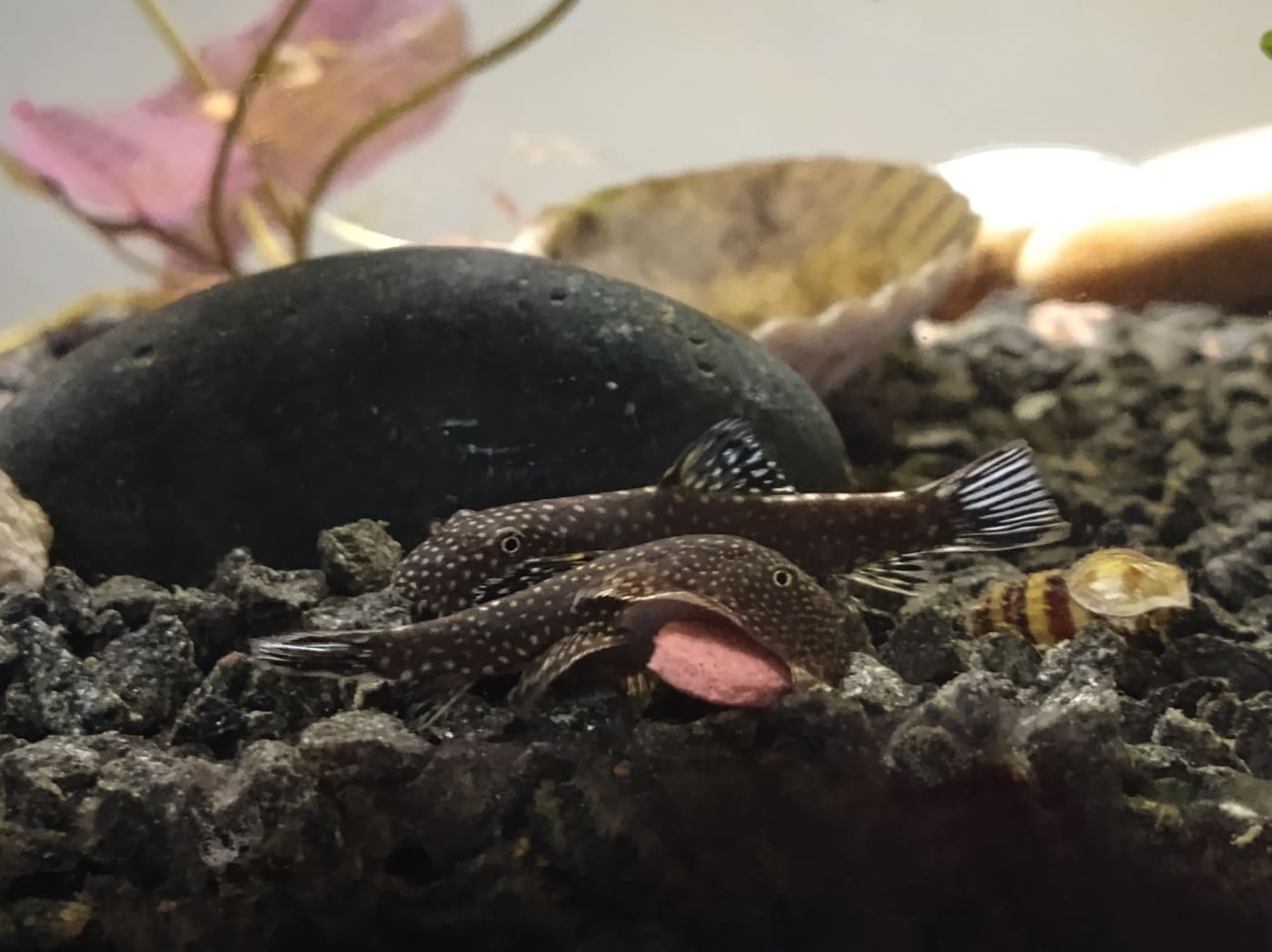
FishDifficulty: ●●●●Data: well-established
Borneo Sucker — Gastromyzon ctenocephalus
📷 HelinaKa · CC BY-SA 4.0 · resized · Wikimedia Commons

About

The Borneo Sucker is a small, disc-flat hillstream loach from the fast, cool, oxygen-saturated streams of western Borneo. Almost all trade stock arrives labelled "Gastromyzon sp." or under the older trade name Gastromyzon punctulatus, but the fish actually exported is overwhelmingly Gastromyzon ctenocephalus — described by Roberts in 1982 and sold under the wrong name for decades afterwards. What finally sorted the trade out was Tan's 2006 revision of the Borneo torrent loaches, which lifted the genus from five recognised species to thirty-six: true G. punctulatus reaches the hobby very exceptionally if at all, and what shops sell as it is this fish or the near-identical G. scitulus, with intermediate forms common even within a single import. A shop tank labelled Gastromyzon is honestly best treated as the traded group rather than one confirmed species — the husbandry below holds across all of them. It is small even by hillstream standards: 35-40 mm standard length is the usual maximum and 4.5 cm the largest on record, so the 5 cm on most shop labels is a rounded-up total length rather than a fish you should plan around. The flattened underside and enlarged, fused pectoral and pelvic fins form a suction disc that lets the fish hold station on smooth rock in full current while it rasps algae and biofilm. This is not a decorative beginner fish: it needs strong flow, near-river oxygen levels and a mature tank whose stones already carry a grazing film.

Care

Tops out around 4.5 cm, so a 60x30 cm base is enough room for a group — but the flow is not negotiable: 10-15x turnover, cool well-oxygenated water at 20-24°C and smooth, algae-covered stones. Keep four or more and feed vegetable-based foods rather than protein.

Diet

Aufwuchs grazer that rasps algae and biofilm from rock; supplement with algae wafers, blanched vegetables and spirulina, and only occasional small amounts of frozen bloodworm — excess protein causes digestive problems.

Tankmate compatibility

Gets along with (31)

Possible with care (128)

African Butterfly CichlidAgassiz's CoryAgassiz's Dwarf CichlidAssassin SnailBamboo ShrimpBanjo CatfishBlack Moor GoldfishBlack Neon TetraBlack Phantom TetraBlackline RasboraBladder SnailBleeding Heart TetraBlood Parrot CichlidBlue AcaraBoesemani RainbowfishBolivian RamBrichard's TeleogrammaBristlenose PlecoBronze CorydorasBuenos Aires TetraBumblebee GobyCardinal TetraCelebes RainbowfishCheckered BarbCherry BarbChinese Algae EaterClown KillifishClown PlecoColombian Ramshorn SnailComet GoldfishCommon GoldfishCongo Dwarf CichlidCongo TetraConvict CichlidCrystal Red ShrimpDwarf Chain LoachDwarf Flag CichlidDwarf GouramiDwarf Neon RainbowfishDwarf Orange CrayfishDwarf Pea PufferDwarf RasboraElephantnose FishEllioti CichlidEmber TetraEmerald CoryEmperor TetraEndler's LivebearerFantail GoldfishFestivum (Flag Cichlid)Figure-8 PufferFiremouth CichlidForktail RainbowfishFreshwater ClamGhost ShrimpGolden Dwarf CichlidGolden PencilfishGolden TetraGolden Wonder KillifishGreen Neon TetraGuppyHarlequin RasboraHead-and-Tail-Light TetraHoney GouramiJapanese Trapdoor SnailKeyhole CichlidKissing GouramiLambchop RasboraLeast KillifishLemon TetraLittle CorydorasMacmasteri Dwarf CichlidMalaysian Trumpet SnailMarble HatchetfishMedaka RicefishMystery SnailNeon TetraNerite SnailOranda GoldfishOtocinclusParadise FishPeaceful BettaPenguin TetraPictus CatfishPlatyPolka Dot LoachPort CichlidPurple Emperor TetraPygmy CorydorasRabbit SnailRainbow CichlidRainbow SharkRamshorn SnailRanchu GoldfishRed RainbowfishRed Whiptail CatfishRed-Tail SharkRosy Red MinnowRubber Lip PlecoRummynose TetraRyukin GoldfishScissortail RasboraSerpae TetraSeverumShubunkin GoldfishSiamese Algae EaterSilver Tip TetraSkunk CorySparkling GouramiSpotted HoploSterbai CorydorasStrawberry RasboraStriped KribensisSunshine PeacockSveni EartheaterT-Bar CichlidTelescope GoldfishThai Micro CrabThick-lipped GouramiThreadfin RainbowfishTiger BarbTurquoise RainbowfishUpside-down CatfishVampire ShrimpVenezuelan CoryWrestling HalfbeakX-ray TetraYoyo Loach

Avoid (112)

Acei CichlidAdonis PlecoAfrican ButterflyfishAltum AngelfishAngelfishAuratus CichlidBala SharkBetta (Siamese Fighting Fish)Blue Dolphin CichlidBorleyi (Redfin Hap)Brevis Shell DwellerBrichardi (Fairy Cichlid)Buffalohead CichlidBumblebee CichlidCalvus CichlidCheckerboard CichlidChili RasboraChocolate CichlidChocolate GouramiClown LoachCobalt Blue ZebraCockatoo Dwarf CichlidCommon PlecoCompressiceps CichlidCuckoo CatfishCylindricus CichlidCyprichromisDemasoni CichlidDemon EartheaterDiamond TetraDiscusDogtooth CichlidDuboisi TropheusDwarf Petricola CatfishElectric Blue AhliElectric Yellow LabElongate MbunaEndlicheri BichirEven-spotted SynodontisFeatherfin SqueakerFive-bar CichlidFrontosaGerman Blue RamGlowlight TetraGoby CichlidGolden JulieGreen DiscusGreen Spotted PufferfishGreen TerrorHeckel DiscusHongi CichlidIridescent SharkJack DempseyJaguar CichlidJewel CichlidJohanni CichlidKenyi CichlidKoiKribensisKuhli LoachLemon CichlidLivingstoniMaingano CichlidMalawi EyebiterMalawi HawkMarlieri CichlidMasked JulieMollyMoonlight GouramiMultifasciatus Shell DwellerOcellatus Shell DwellerOrnate BichirOscarPeacock BassPeacock CichlidPearl GouramiPike CichlidPowder Blue CichlidRed DevilRed EmpressRed TerrorRed Zebra CichlidRedhead CichlidRegan's JulieReticulated Flying FoxRostratusRosy TetraRoyal PlecoRusty CichlidSailfin MollySailfin PlecoSalvini CichlidSand-sifting XenotilapiaSaulosi CichlidSilver ArowanaSilver MoonySimilis Shell DwellerStar SapphireStriped Raphael CatfishSulawesi Cardinal ShrimpSwordtailTaiwan Reef CichlidTexas CichlidThreadfin AcaraThreadfin PetrochromisThree-spot GouramiTropheusUaru (Triangle Cichlid)Venustus (Giraffe Cichlid)Wolf CichlidZebra MbunaZebra Pleco

Computed by the AquaSage engine for a spacious reference tank — always check the full verdict for your exact setup in the calculator.

Telling males from females

What works for this species, most reliable first.

  • Adult sizeA hint only · only across animals of the same age

    In many cichlids, catfish and loaches one sex simply grows larger — usually the male, though there are well-known reversals.

All the methods, with diagrams

Also in these lists

Frequently asked questions

What tank size does a Borneo Sucker need?
A Borneo Sucker needs an aquarium of at least 60 litres (15.9 US gallons) with a footprint at least 60 cm (23.6 in) long — for this species, swimming length matters as much as raw volume.
What water parameters does a Borneo Sucker need?
Borneo Sucker does best at 20–24 °C (68–75.2 °F), pH 6–7.5 and a general hardness of 2–12 °dGH.
What group size does a Borneo Sucker need?
Borneo Sucker is a social species — keep a group of at least 4 so natural behaviour emerges and stress stays low.
Is the Borneo Sucker suitable for beginners?
Borneo Sucker is a demanding species best attempted with some experience — it needs stable, closely watched conditions to thrive.

Sources

Water & tank

Temperature20–24°C
Optimal temp.21–23°C
pH6–7.5
Hardness (GH)2–12°d
Adult size4.5 cm
Min. volume≥ 60 L
Min. tank length≥ 60 cm
Group size≥ 4
Swimming zoneBottom
TemperamentPeaceful
Water typeFreshwater
FlowStrong
Try in the calculator