Foreground plants
The front of the tank, where the sense of scale is decided. Worth knowing before you buy: a true dense carpet usually wants strong light and CO₂, while the low-demand species here spread rather than carpet — a different look, and a far easier one.
Why these
Placement zone: foreground.
17 species
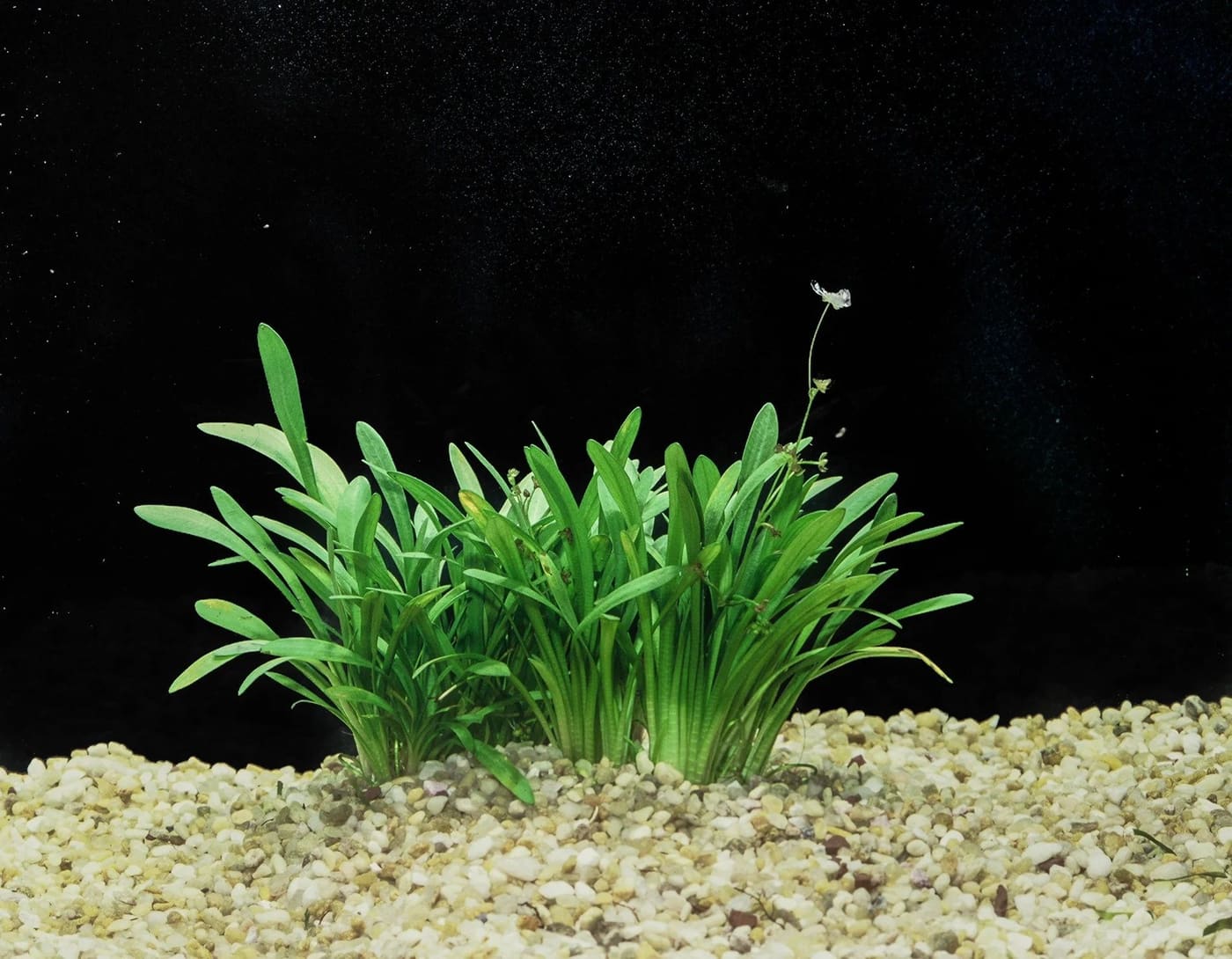
Dwarf Sagittaria
Sagittaria subulata
↕ 40 cm · 15–29 °C
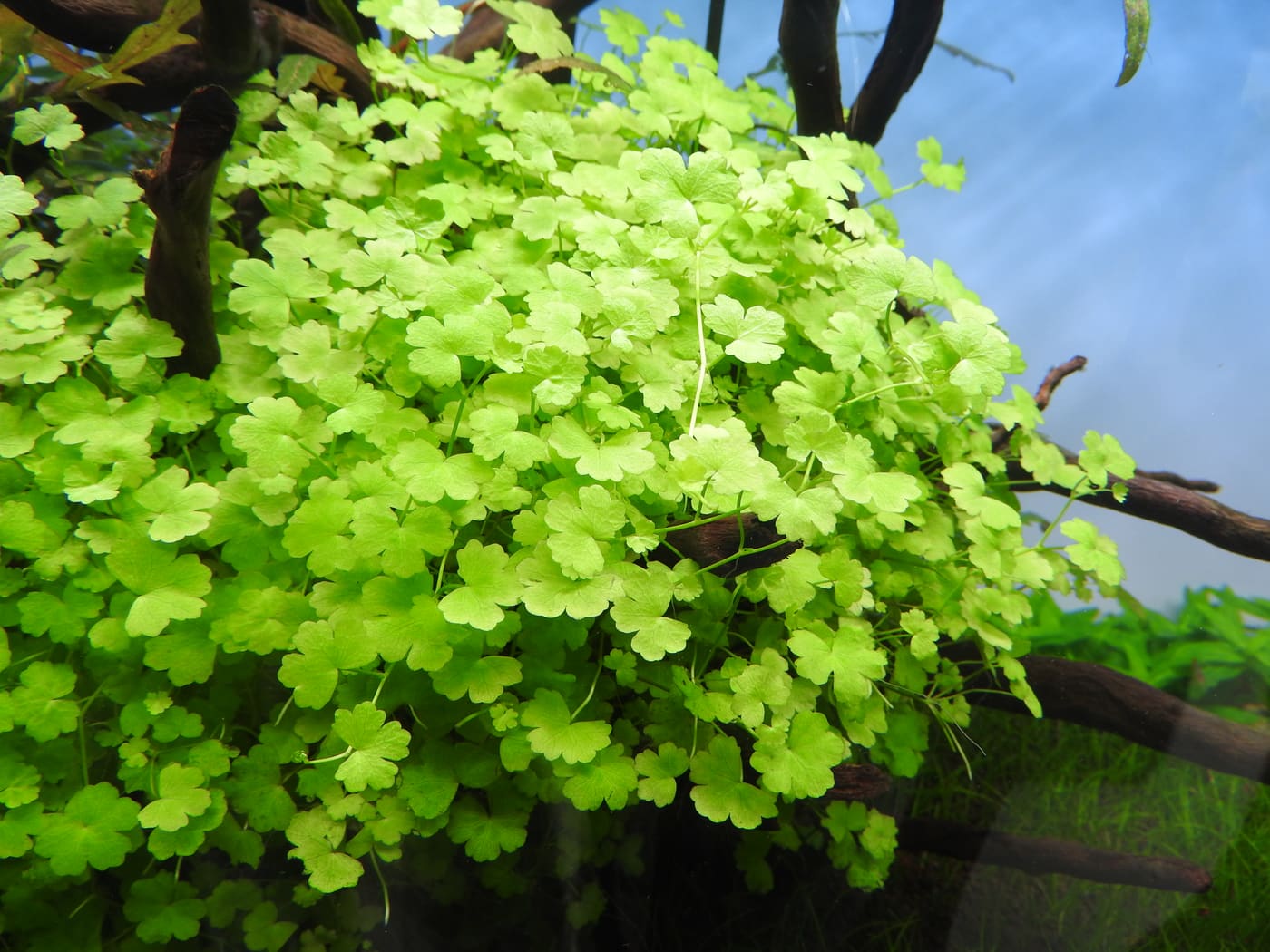
Hydrocotyle Japan
Hydrocotyle tripartita
↕ 10 cm · 10–30 °C
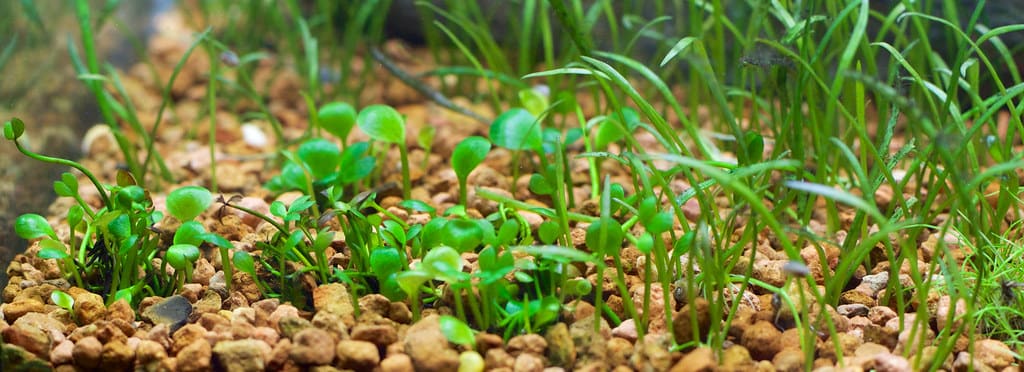
Marsilea Hirsuta
Marsilea hirsuta
↕ 20 cm · 18–28 °C
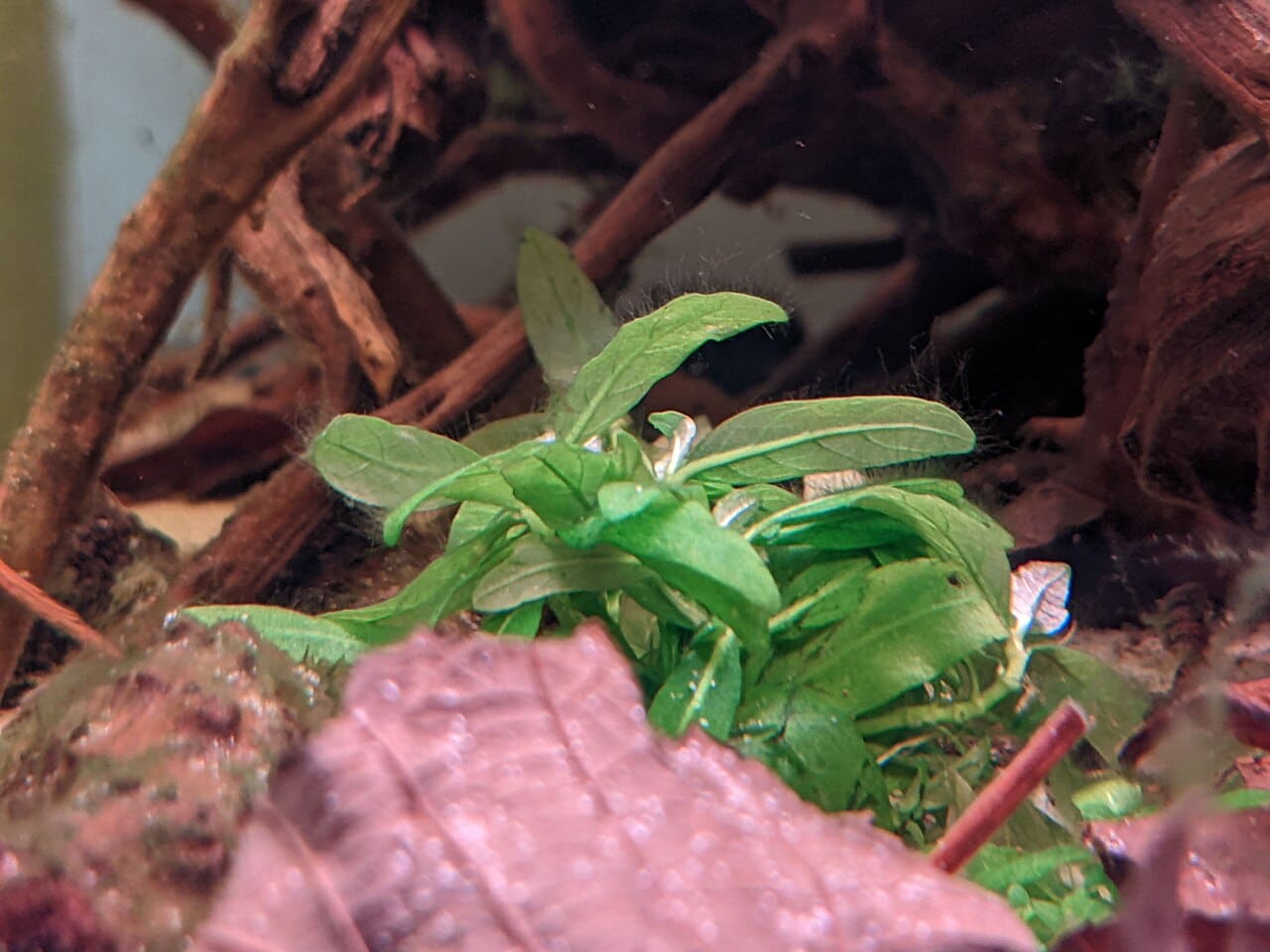
Staurogyne Repens
Staurogyne repens
↕ 10 cm · 20–28 °C
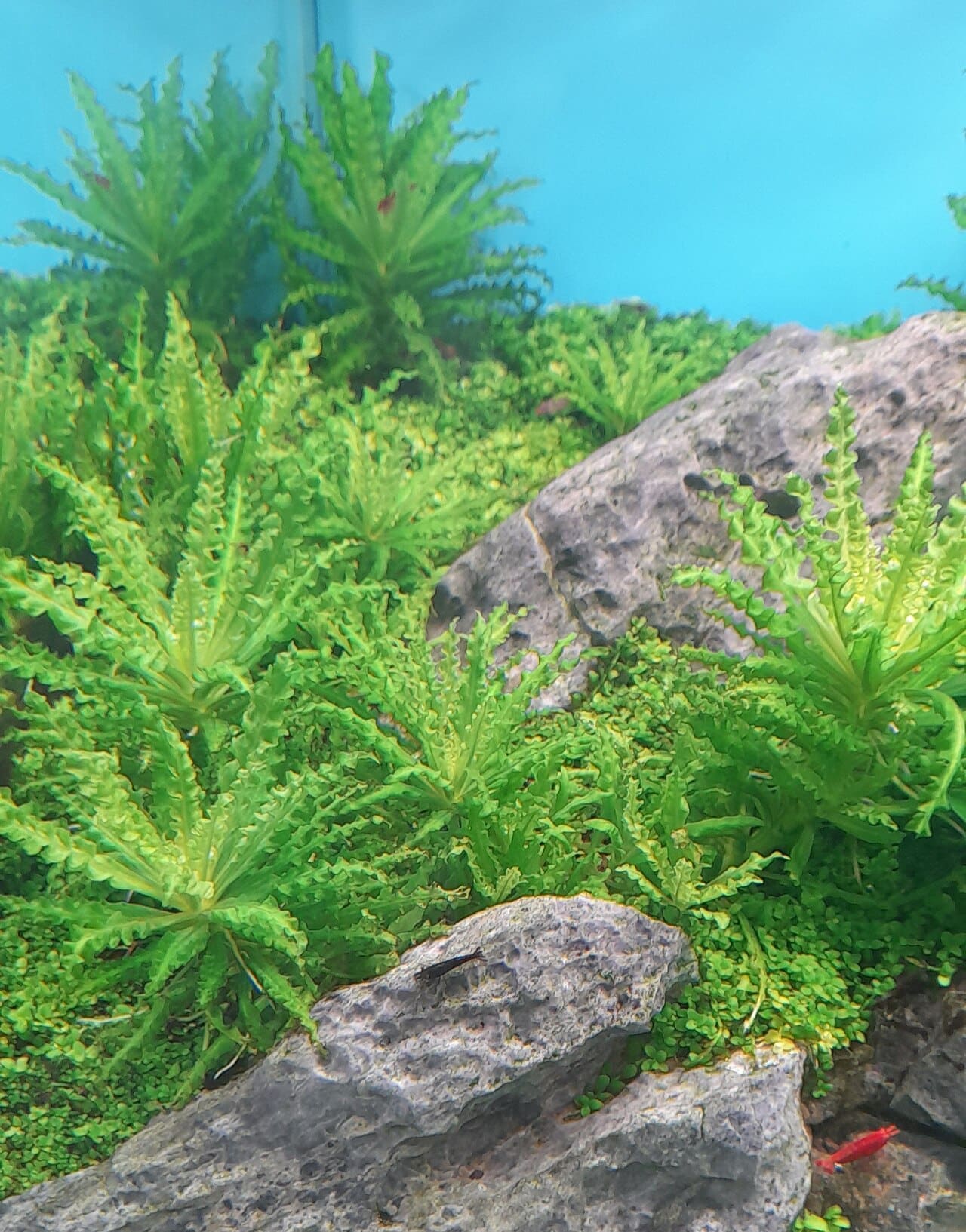
Downoi
Pogostemon helferi
↕ 15 cm · 20–30 °C
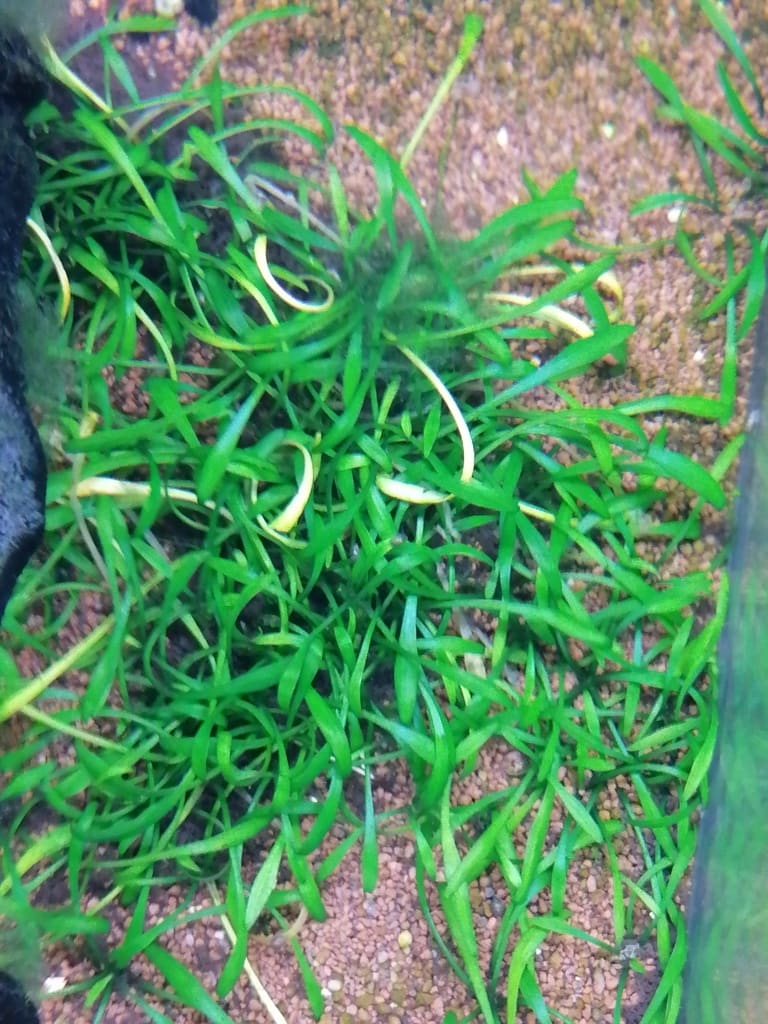
Dwarf Cryptocoryne
Cryptocoryne parva
↕ 6 cm · 20–28 °C
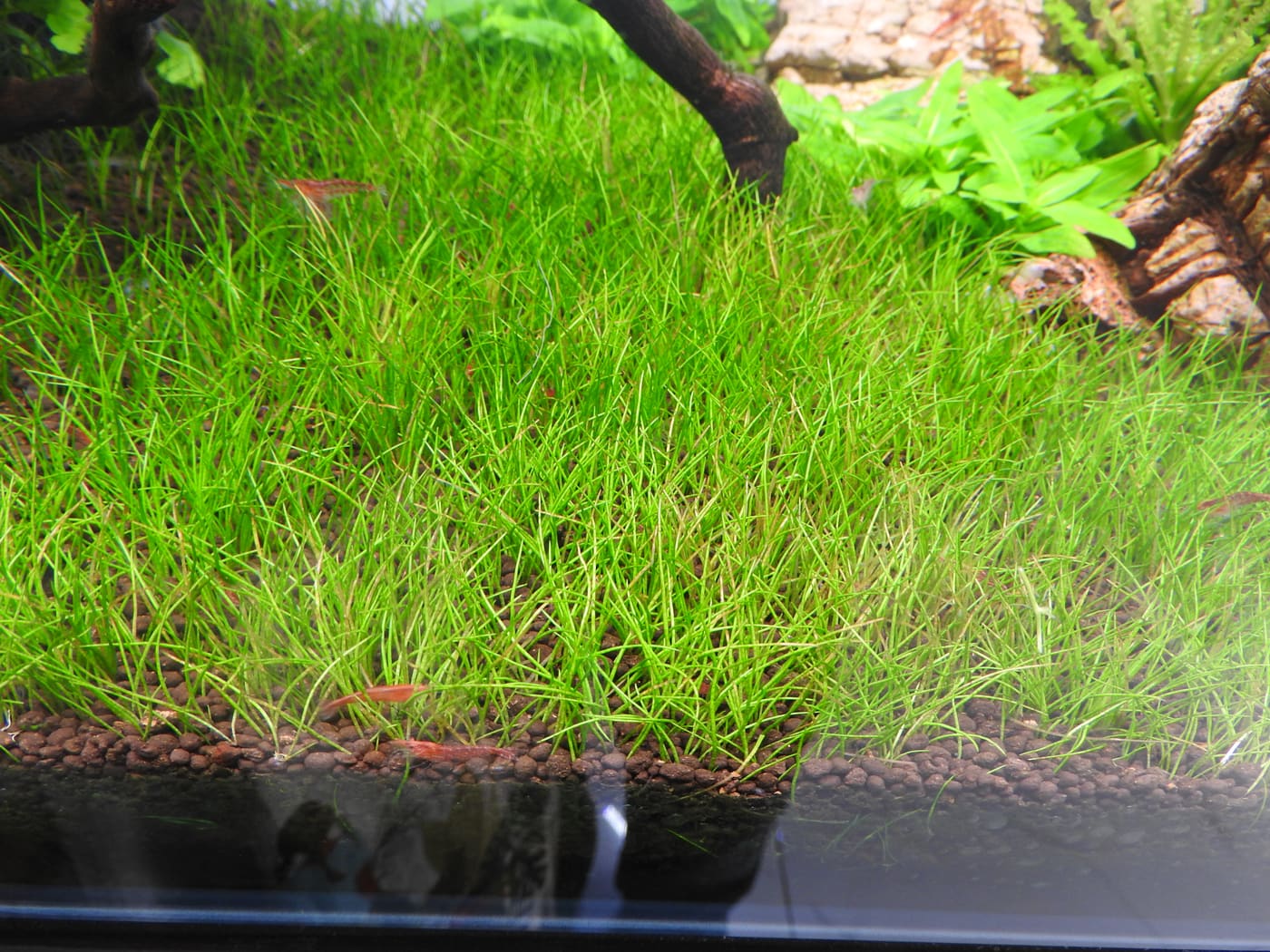
Dwarf Hairgrass
Eleocharis parvula
↕ 10 cm · 18–28 °C
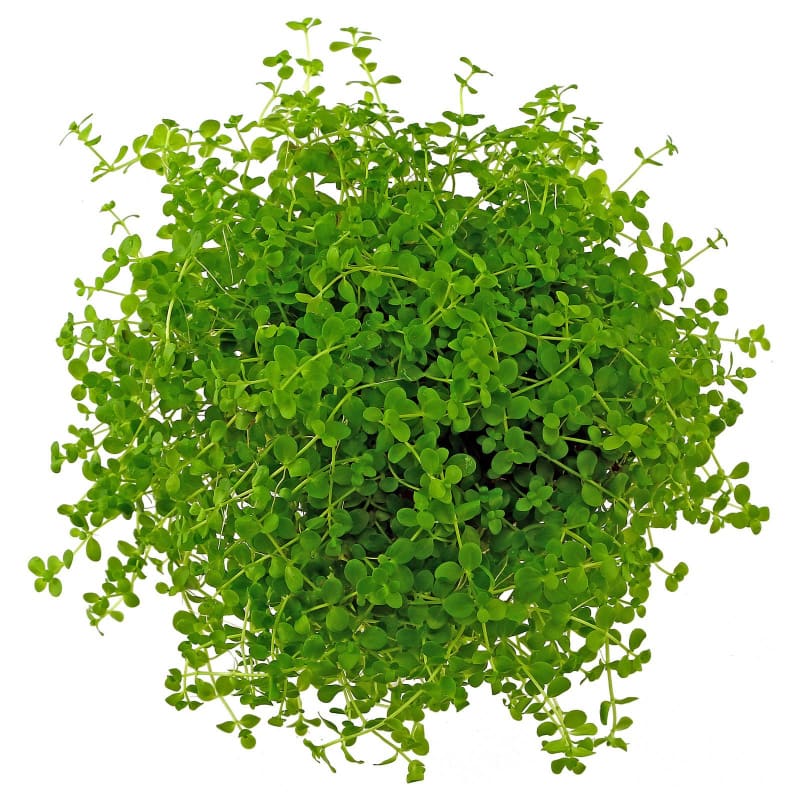
Monte Carlo
Micranthemum tweediei
↕ 5 cm · 18–26 °C
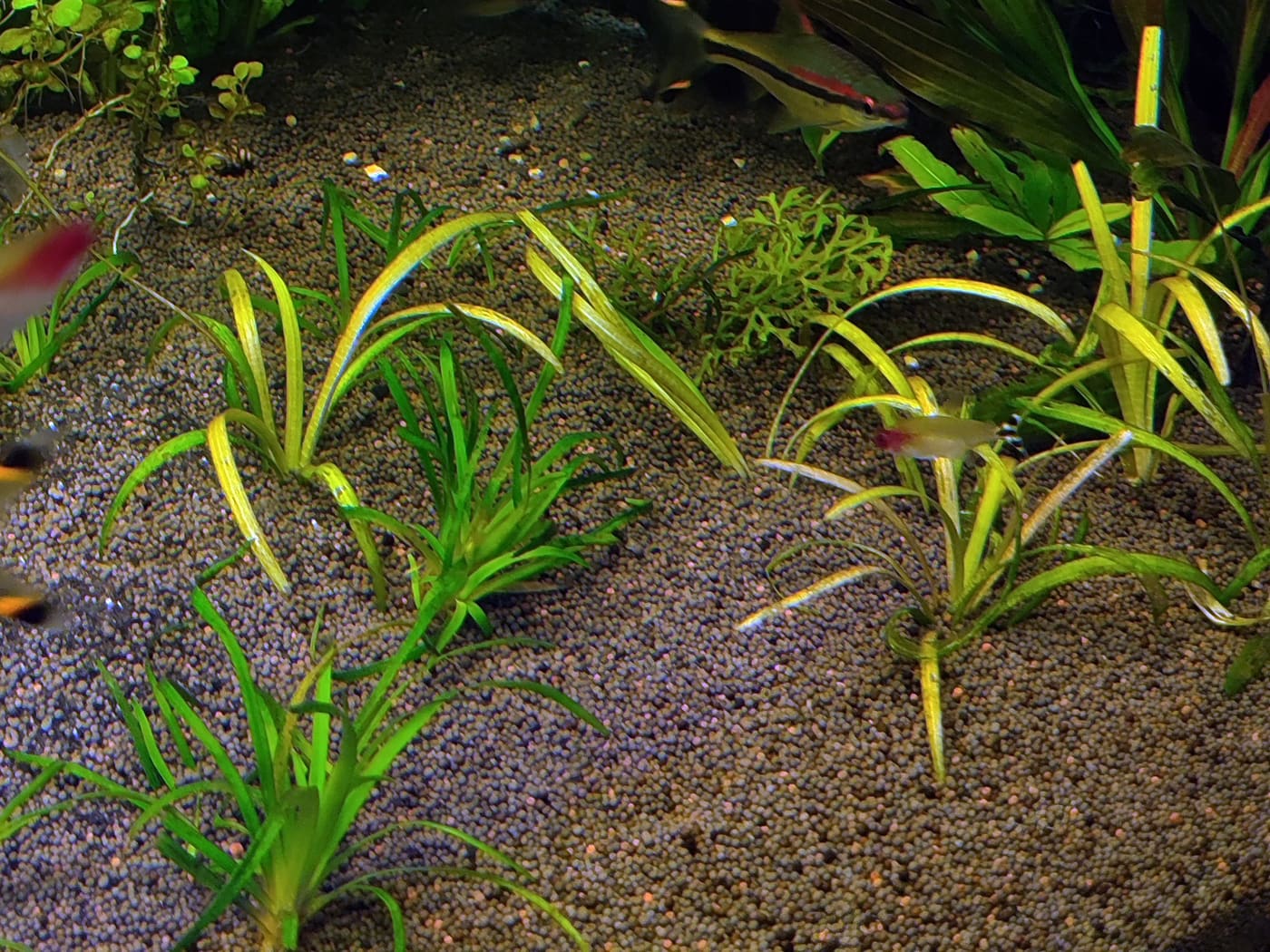
Pygmy Chain Sword
Helanthium tenellum
↕ 15 cm · 16–30 °C
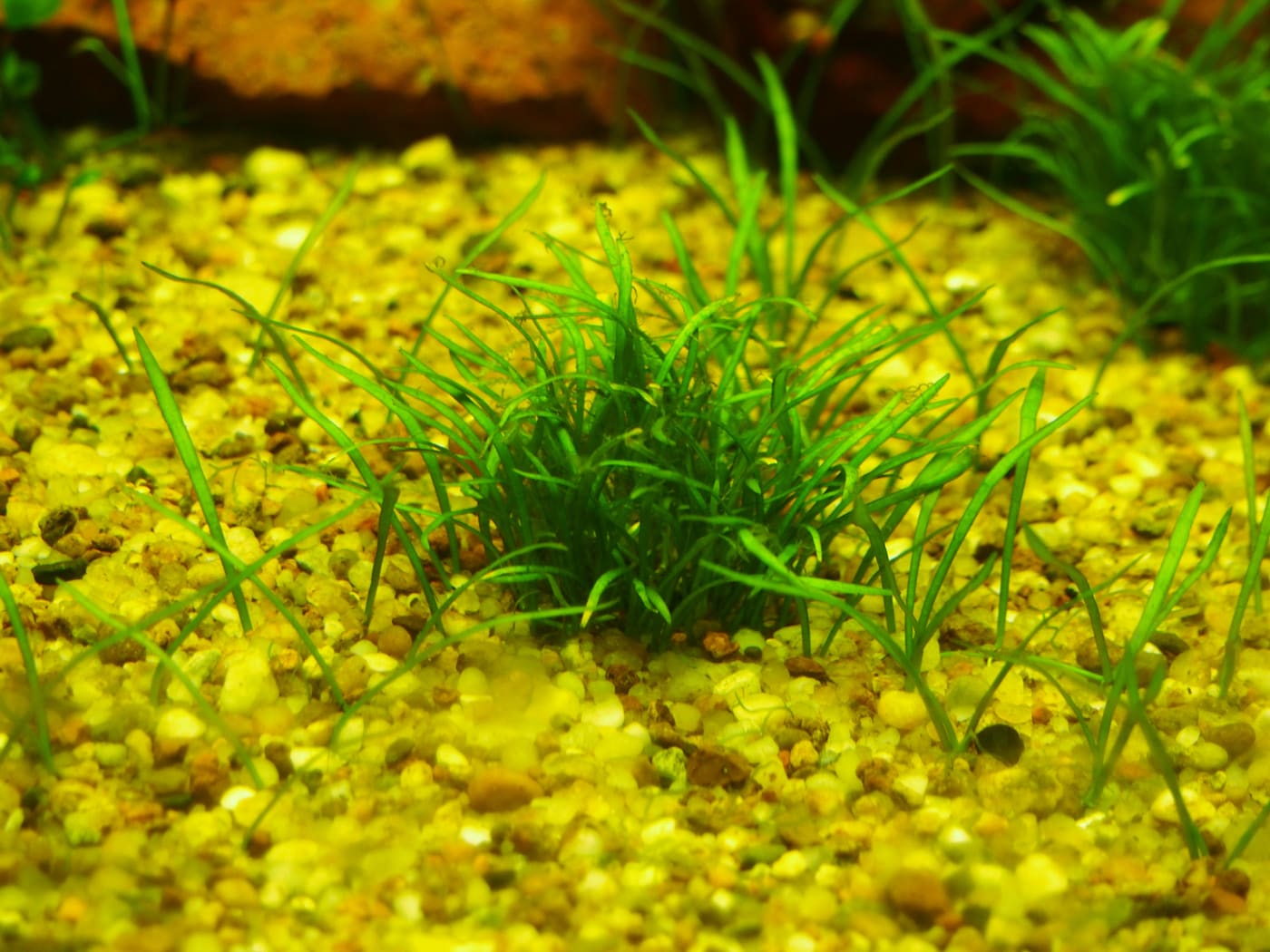
New Zealand Micro Sword
Lilaeopsis novae-zelandiae
↕ 12 cm · 15–26 °C
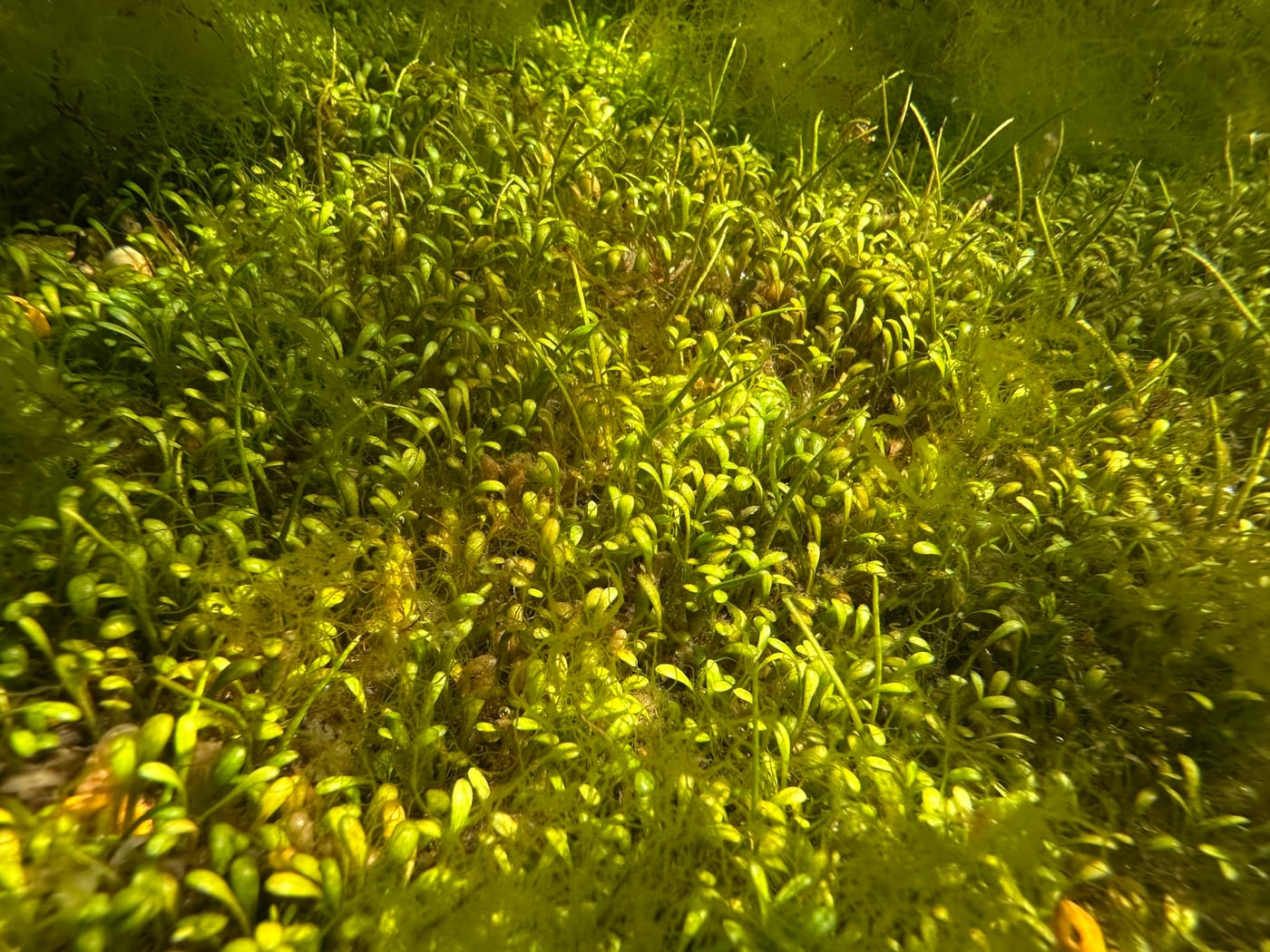
Small Mud-mat
Glossostigma elatinoides
↕ 5 cm · 4–30 °C
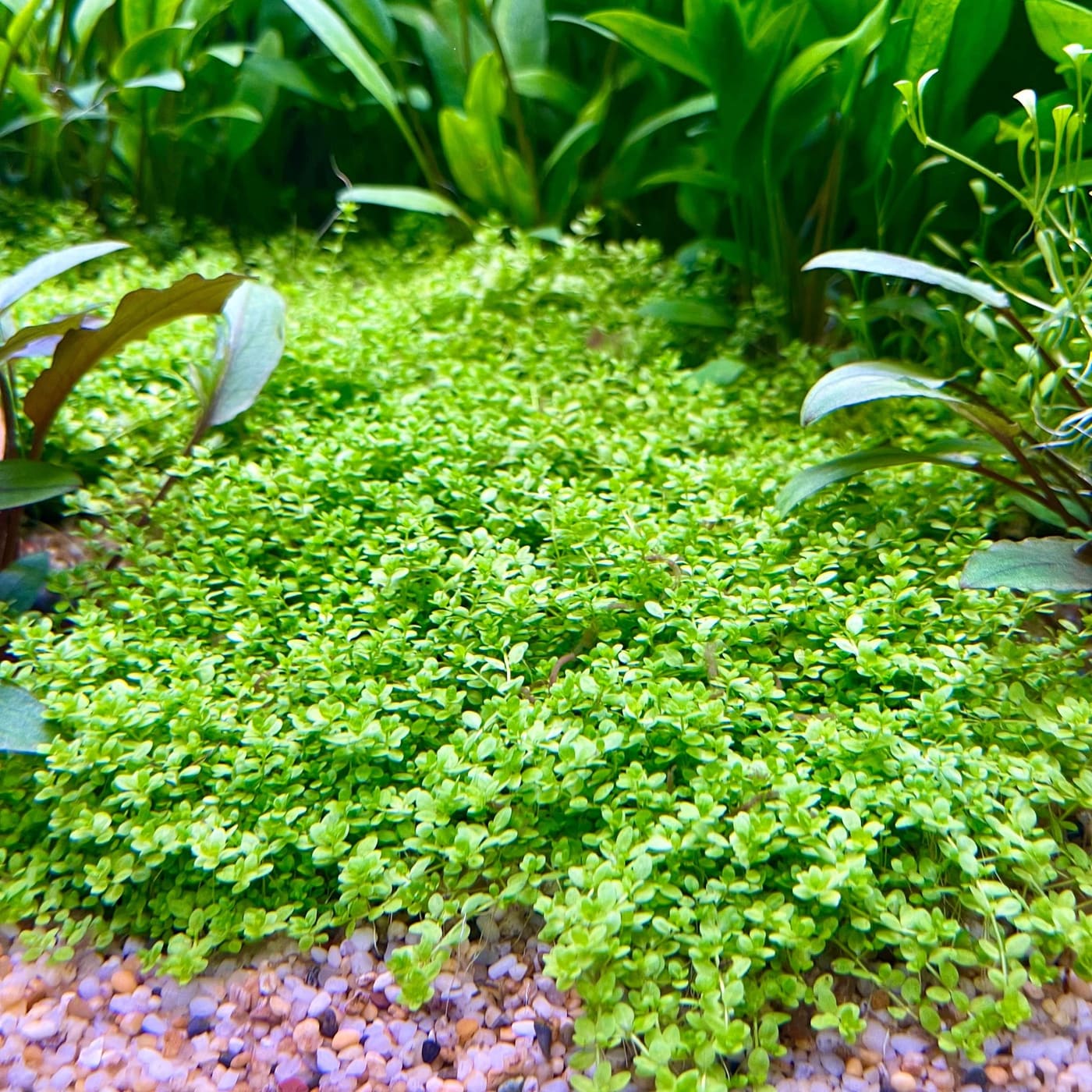
Dwarf Baby Tears
Hemianthus callitrichoides
↕ 3 cm · 20–28 °C
Brazilian Micro Sword
Lilaeopsis brasiliensis
↕ 8 cm · 15–28 °C
Dwarf Water Clover
Marsilea crenata
↕ 10 cm · 18–30 °C
Whorled Pennywort
Hydrocotyle verticillata
↕ 20 cm · 10–27 °C
Ashy Pipewort
Eriocaulon cinereum
↕ 10 cm · 18–30 °C
Grassleaf Bladderwort
Utricularia graminifolia
↕ 10 cm · 16–28 °C
Which of these go together?
A list tells you what is possible on its own. Whether three of them share a tank without one eating another — and whether your volume, temperature and hardness actually allow it — is what the planner works out.
Open the planner