Plants without CO₂
No cylinder, no regulator, no drop checker. These grow on what the fish and the surface already provide. They will grow more slowly than the same plant with CO₂, and for most tanks that is a trade worth making.
Why these
CO₂ requirement: none.
16 species
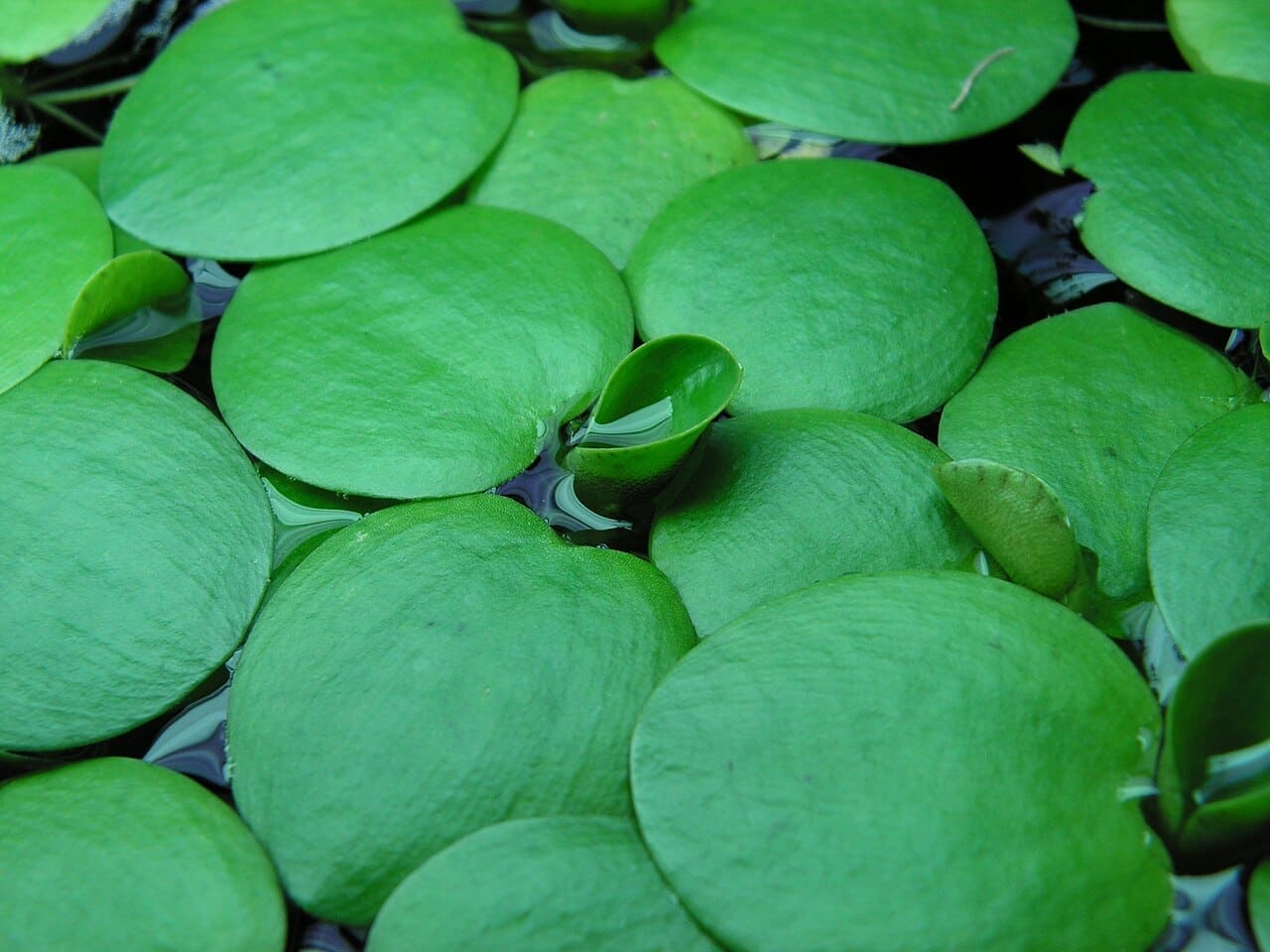
Amazon Frogbit
Limnobium laevigatum
↕ 5 cm · 18–28 °C
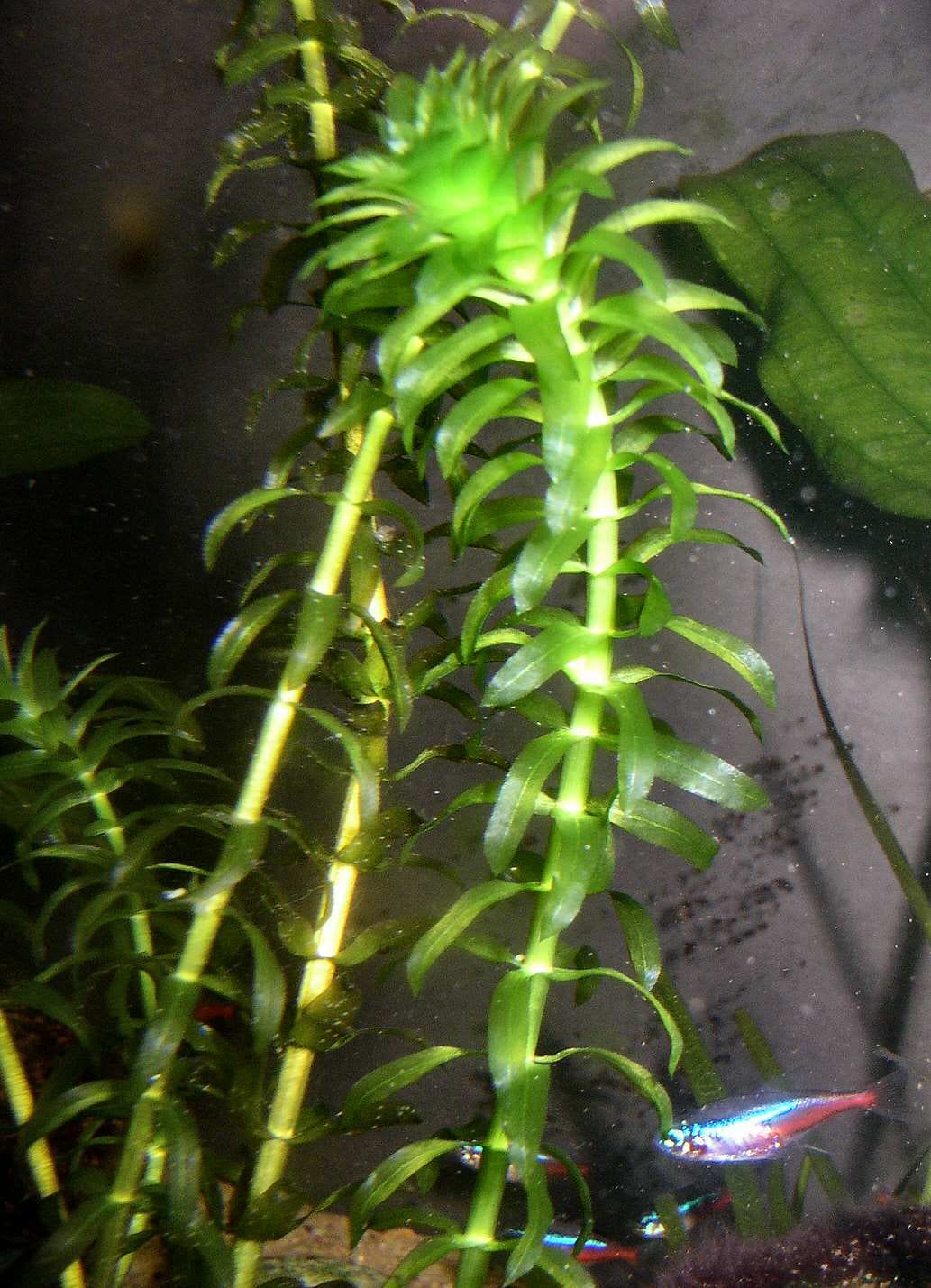
Anacharis
Egeria densa
↕ 100 cm · 10–28 °C
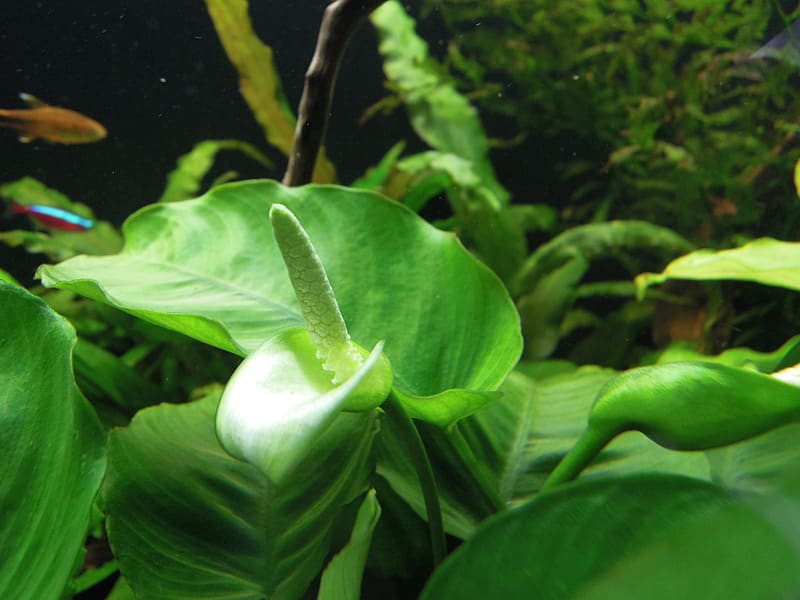
Anubias Barteri
Anubias barteri
↕ 35 cm · 22–28 °C
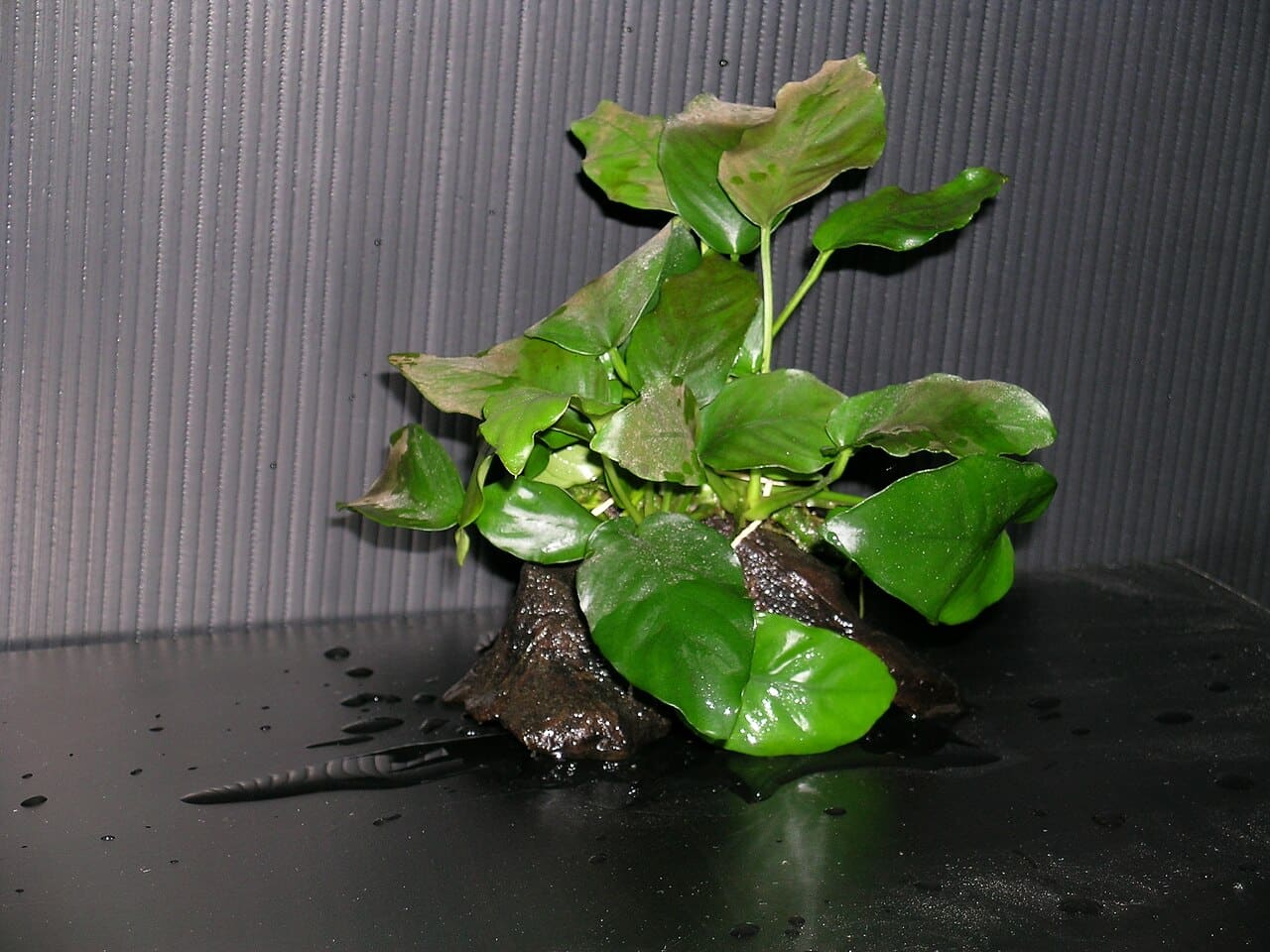
Anubias Nana
Anubias barteri var. nana
↕ 12 cm · 22–28 °C
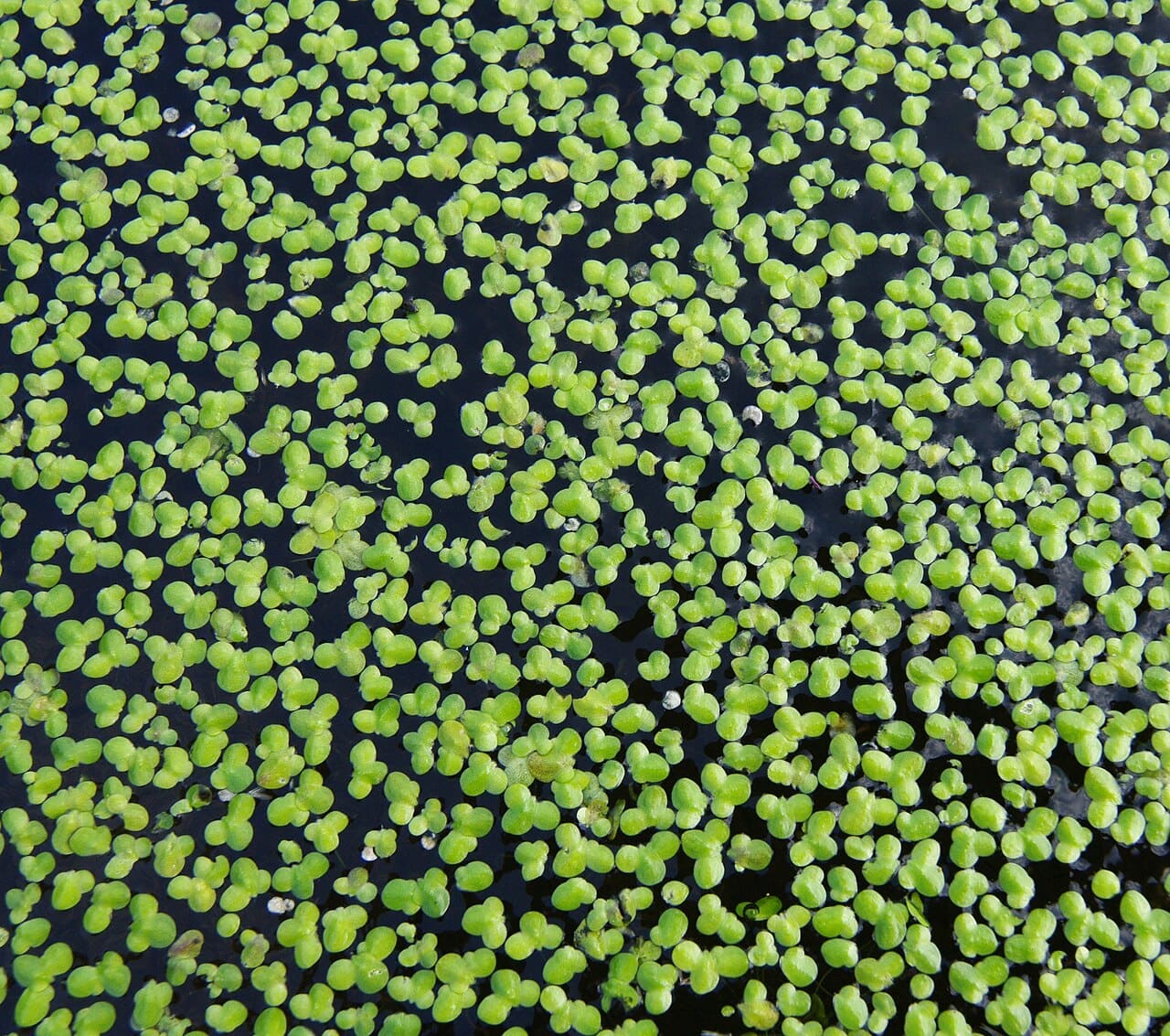
Duckweed
Lemna minor
↕ 1 cm · 10–30 °C
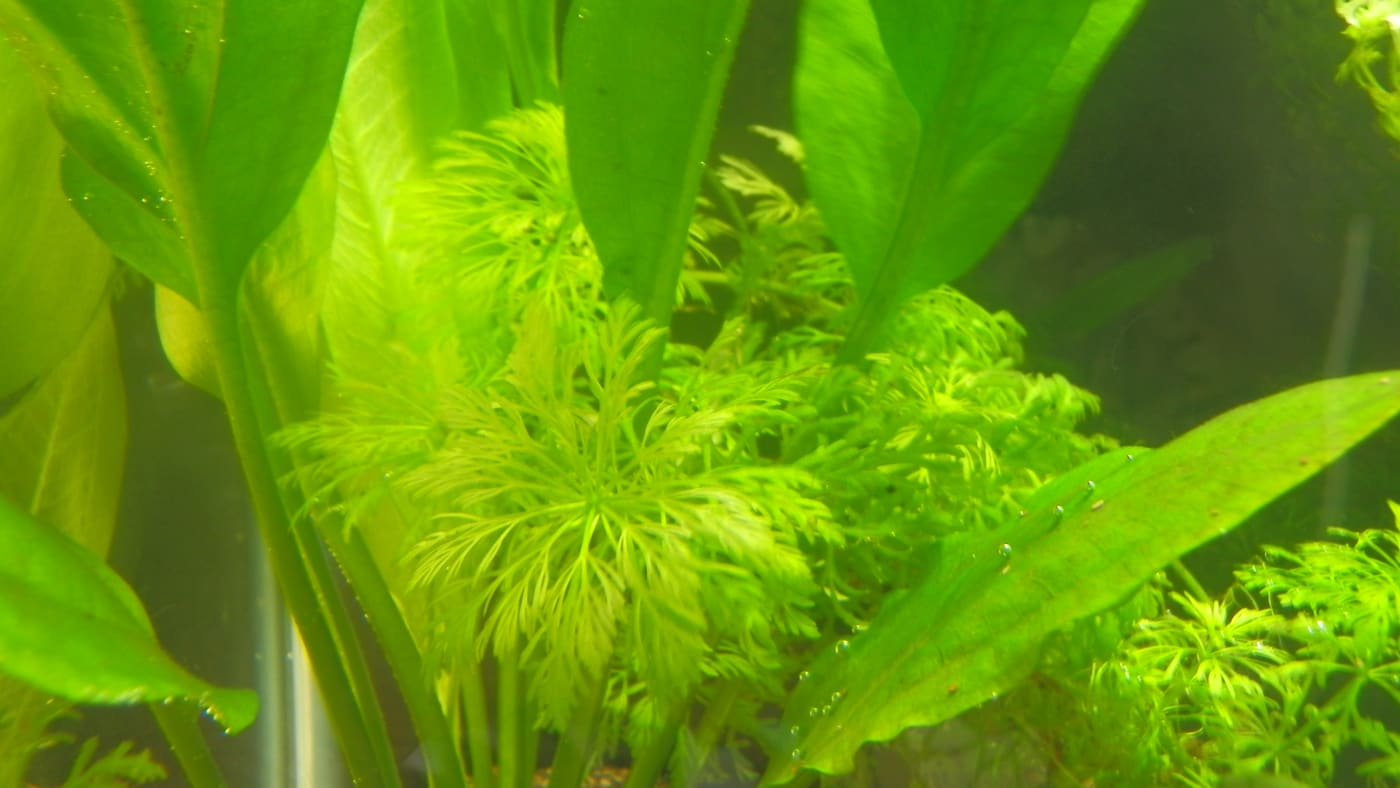
Dwarf Ambulia
Limnophila sessiliflora
↕ 50 cm · 15–28 °C
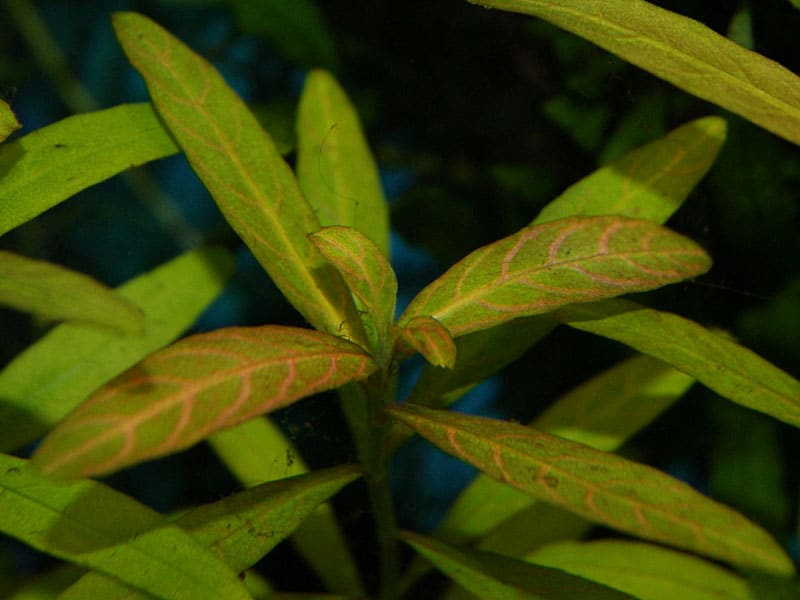
Dwarf Hygrophila
Hygrophila polysperma
↕ 40 cm · 18–30 °C
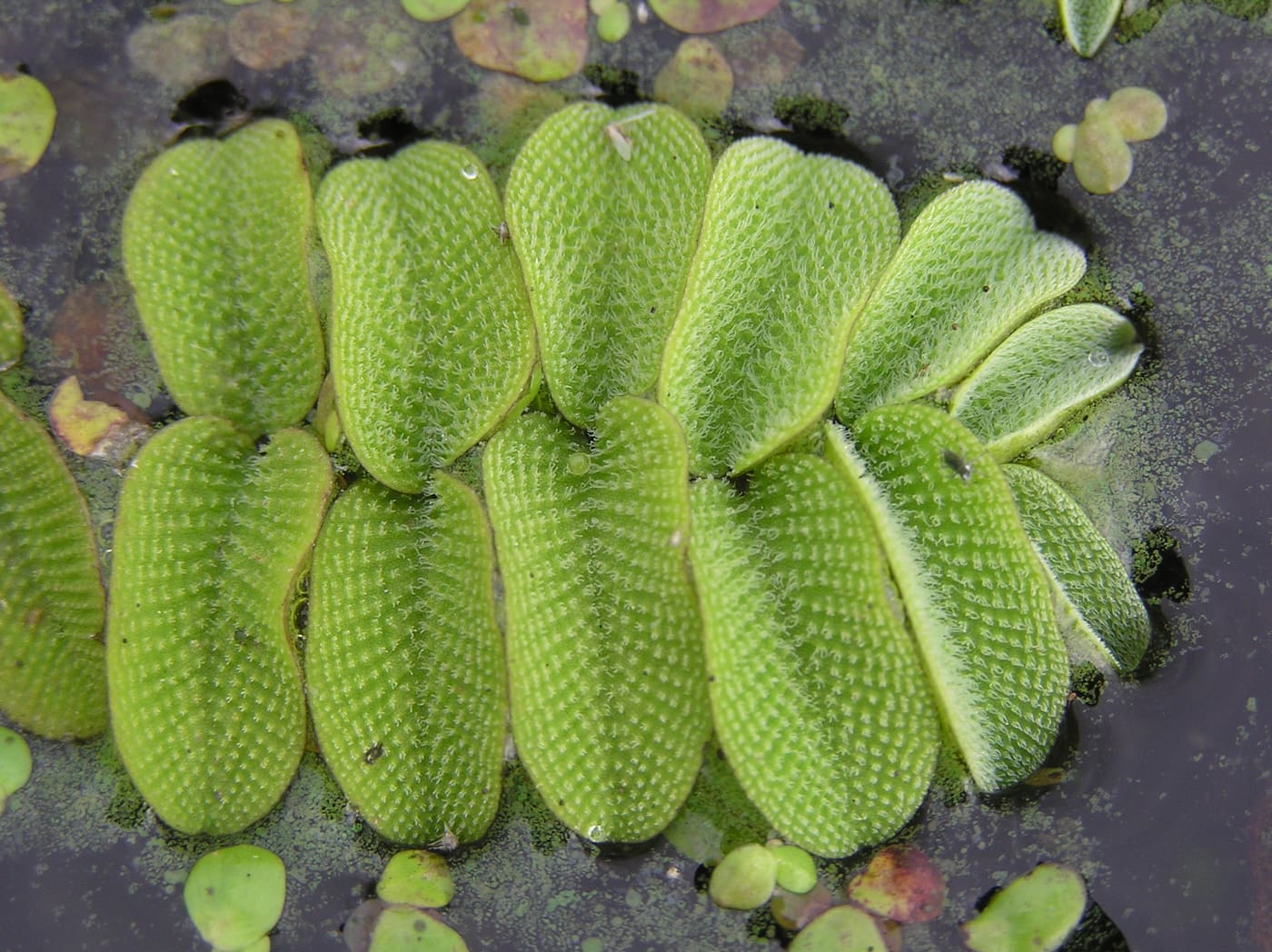
Floating Fern
Salvinia natans
↕ 4 cm · 15–30 °C
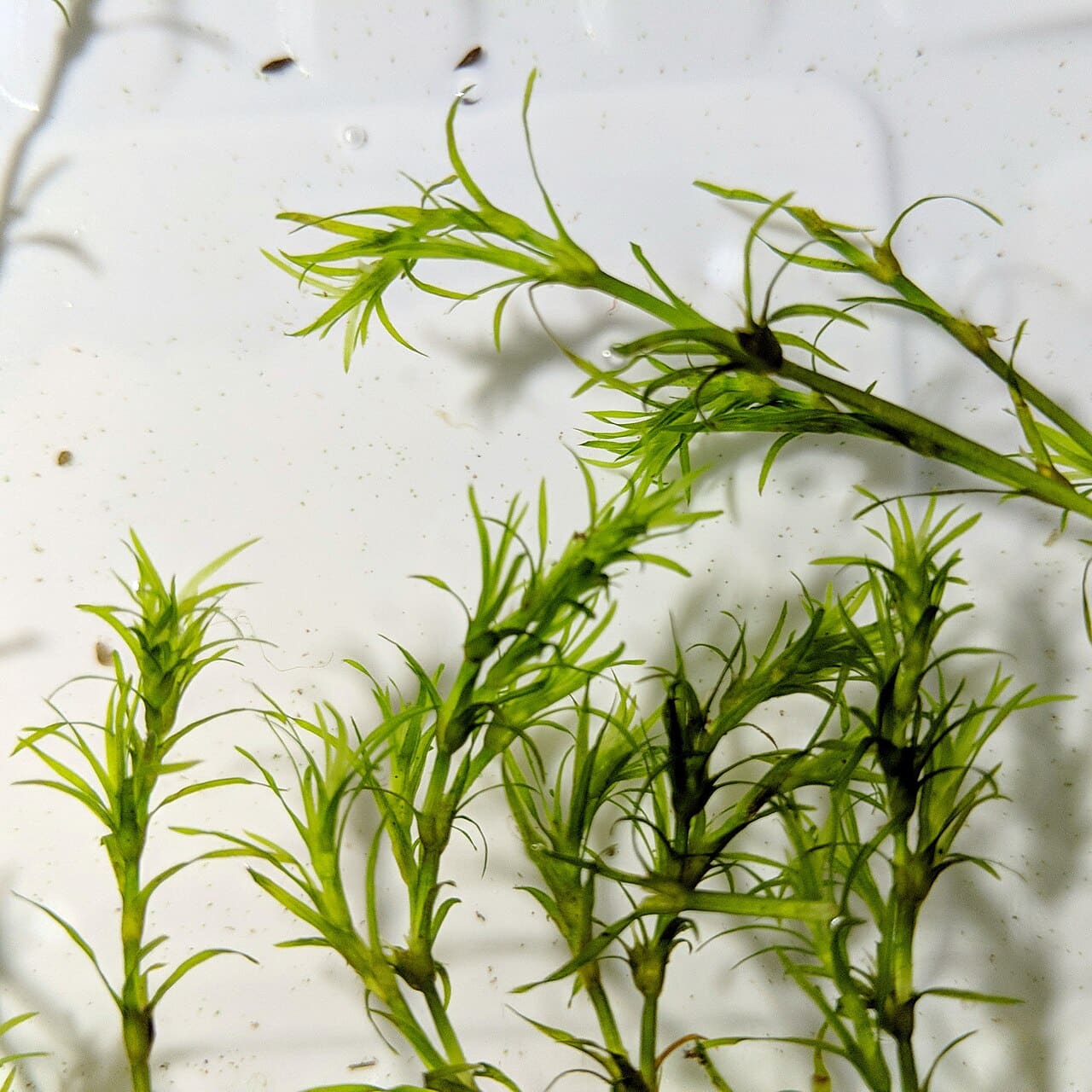
Guppy Grass
Najas guadalupensis
↕ 100 cm · 15–30 °C
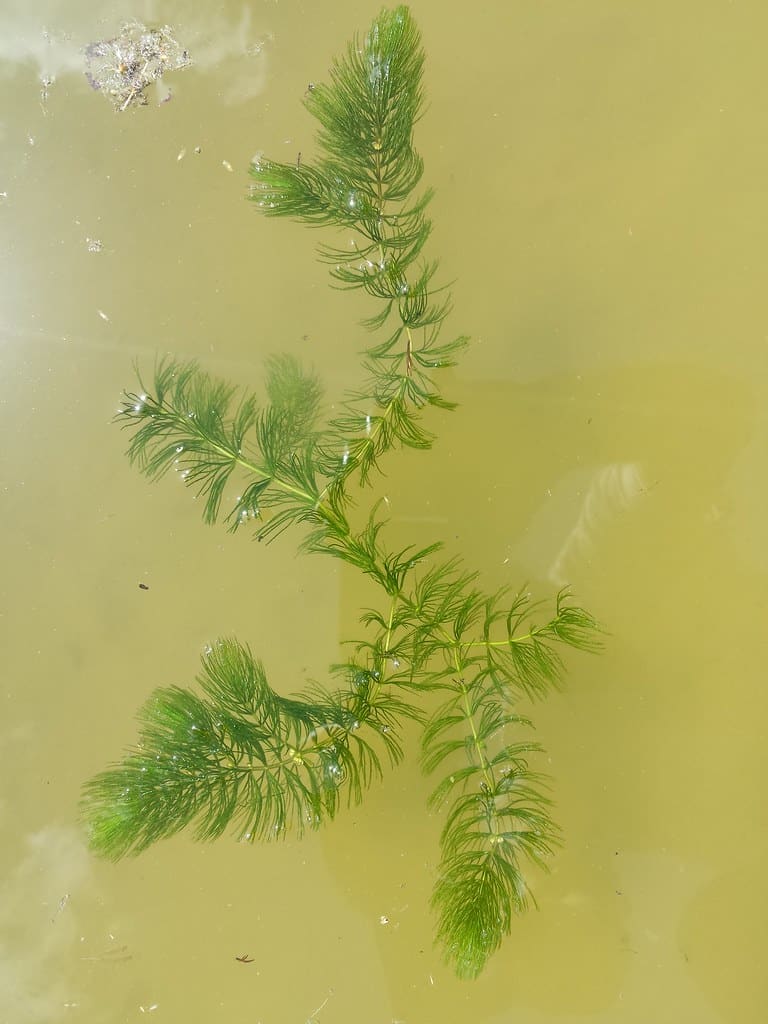
Hornwort
Ceratophyllum demersum
↕ 100 cm · 15–30 °C
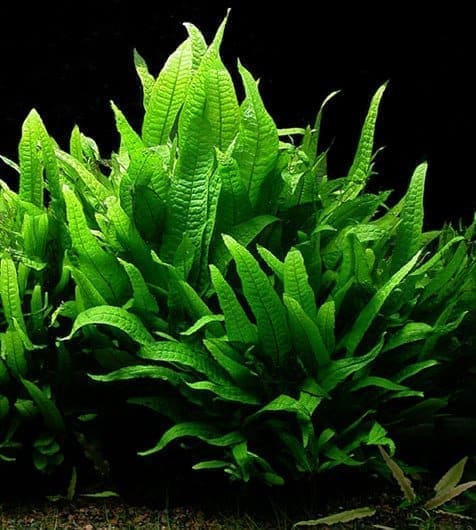
Java Fern
Microsorum pteropus
↕ 30 cm · 18–30 °C
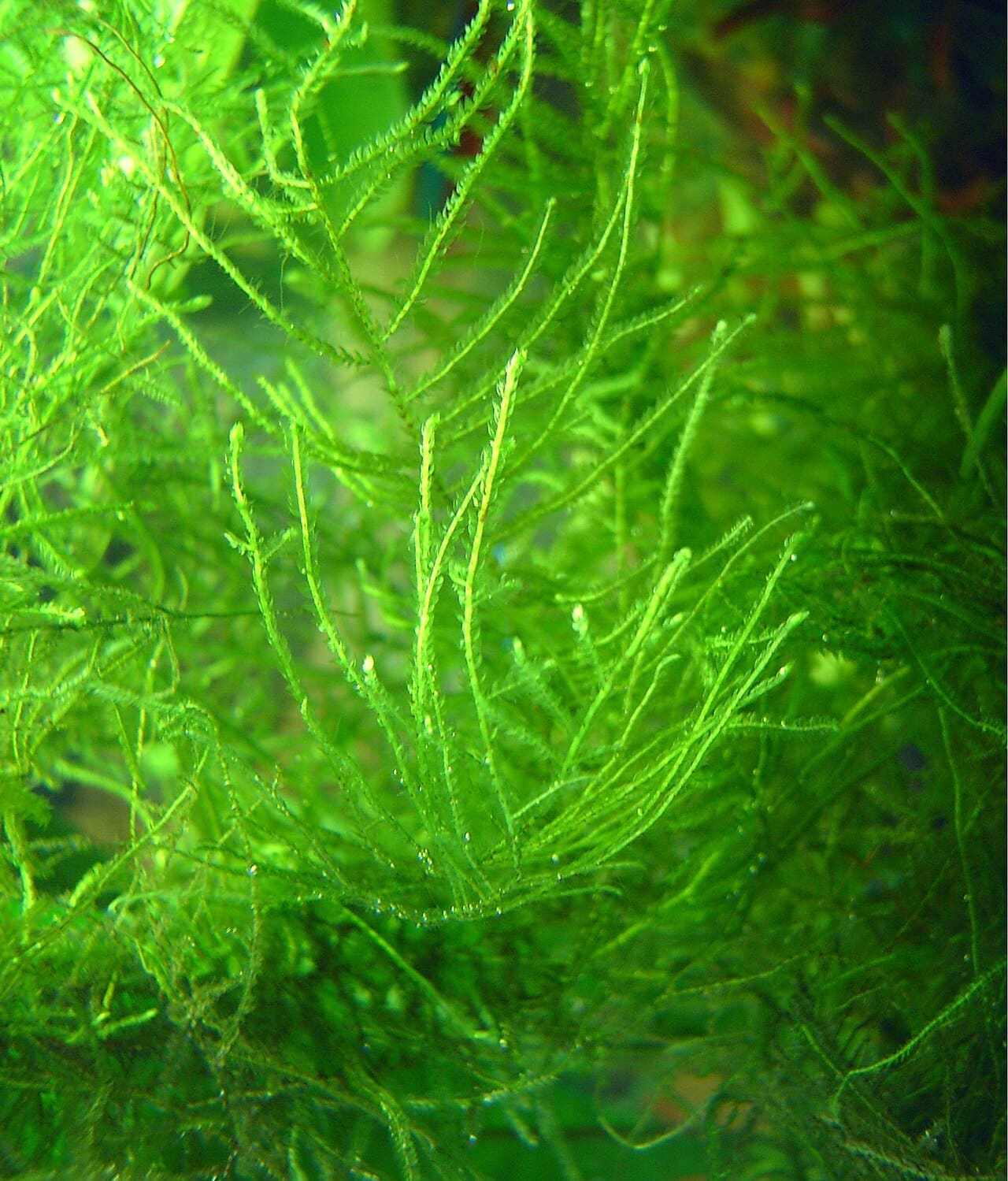
Java Moss
Taxiphyllum barbieri
↕ 10 cm · 15–28 °C
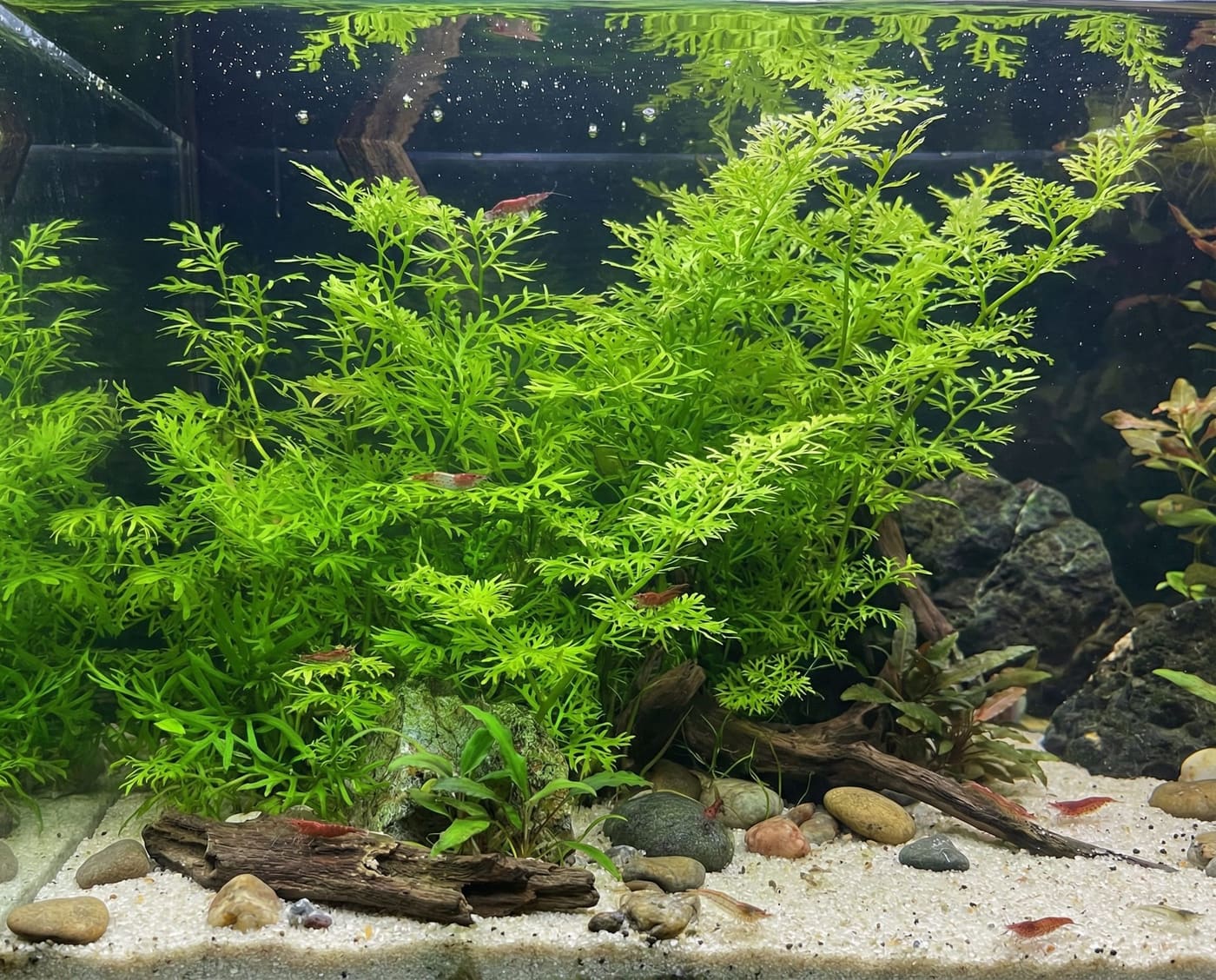
Water Sprite
Ceratopteris thalictroides
↕ 35 cm · 20–30 °C
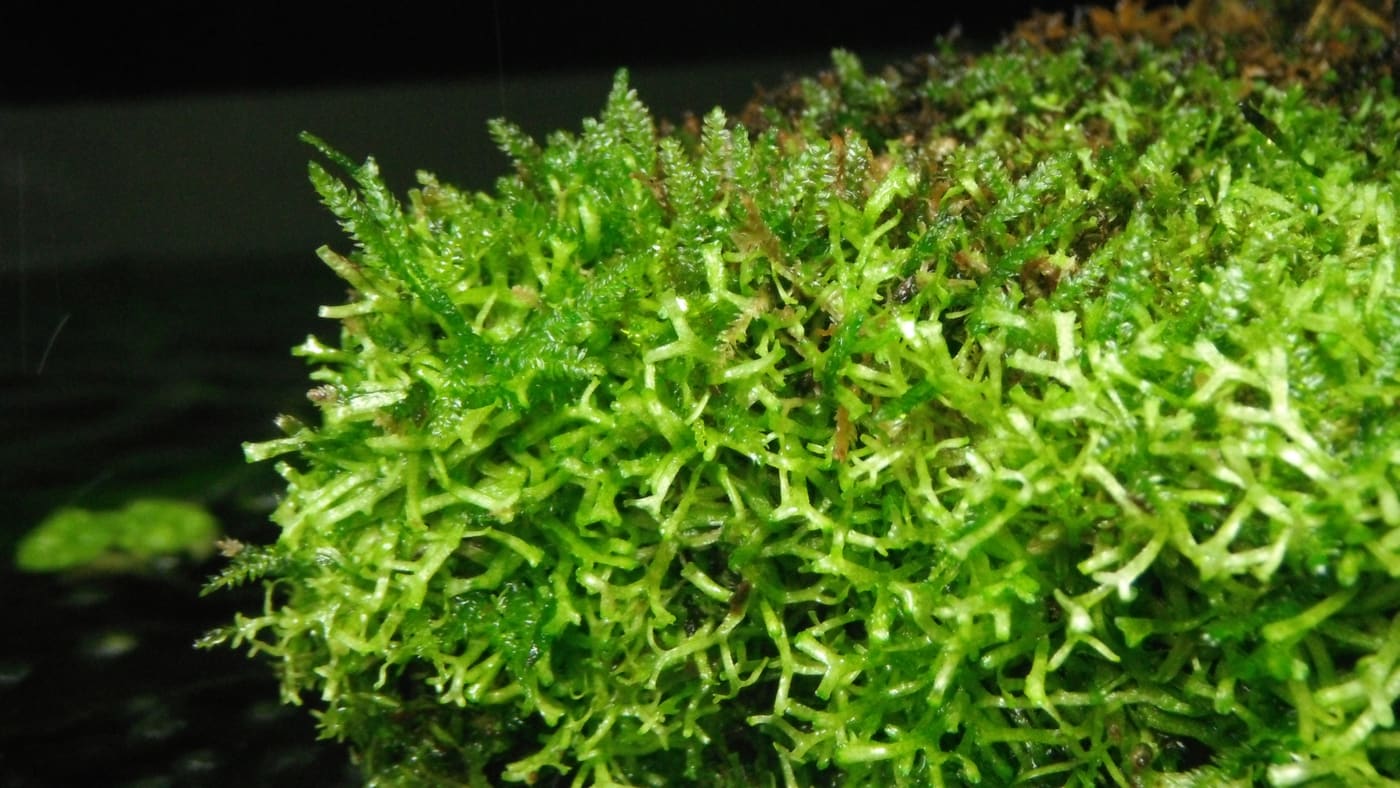
Christmas Moss
Vesicularia montagnei
↕ 5 cm · 15–28 °C
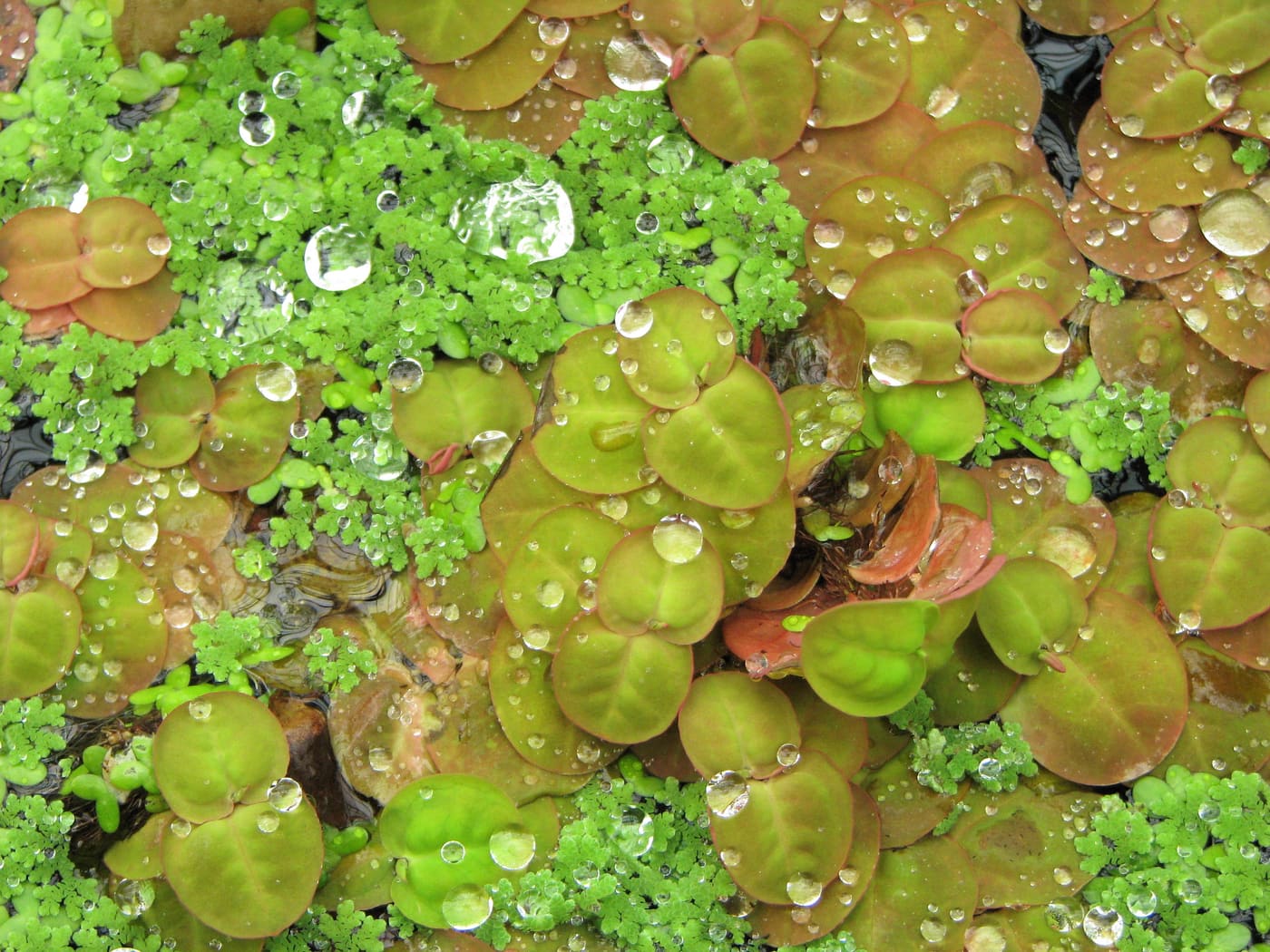
Red Root Floater
Phyllanthus fluitans
↕ 3 cm · 22–28 °C
Spade-Leaf Anubias
Anubias gracilis
↕ 30 cm · 18–30 °C
Which of these go together?
A list tells you what is possible on its own. Whether three of them share a tank without one eating another — and whether your volume, temperature and hardness actually allow it — is what the planner works out.
Open the planner